How to Create a Coastal Escape Home Without Living by the Ocean
There’s something timeless about mountain homes. They promise quiet mornings wrapped in mist, afternoons bathed in alpine light, and evenings warmed by firelight and stillness. But the most memorable mountain residences don’t feel seasonal or situational. They feel like retreats every single day of the year. These homes balance rugged surroundings with refined comfort, turning dramatic landscapes into livable sanctuaries. A true year-round mountain retreat is not just about location—it’s about thoughtful design, emotional warmth, and an effortless connection between indoors and out. Modern mountain living has evolved beyond the rustic cabin stereotype. Today’s most compelling homes blend natural materials, intentional layouts, and subtle luxury to create spaces that feel both grounded and elevated. Whether perched on a forested slope, tucked into a high-desert ridge, or overlooking snow-capped peaks, these homes invite residents to slow down, breathe deeper, and live more intentionally—no matter the season.
A: Reliable access, efficient heating/cooling, weather-smart details, and indoor-outdoor spaces designed for all seasons.
A: Road maintenance, plowing schedules, driveway grade, turning radius, and where snow is stored.
A: Look at roof type, vent screening, defensible space, deck materials, and nearby vegetation density.
A: Not with quality glazing, good orientation, and proper detailing—then they’re a comfort feature.
A: Internet speed, water source, septic capacity, power reliability, and backup options.
A: Roof and snow management, driveway upkeep, tree work, and freeze-related plumbing protection.
A: Open living core + separated sleeping areas + a true mudroom/gear zone to keep the home calm.
A: Use natural materials, warm lighting, layered textiles, and clean lines instead of heavy décor.
A: Often yes—especially for homes with wells, radiant heat, or frequent winter storms.
A: A covered outdoor lounge with a fireplace or heaters—usable far more months of the year.
Architecture That Embraces the Landscape
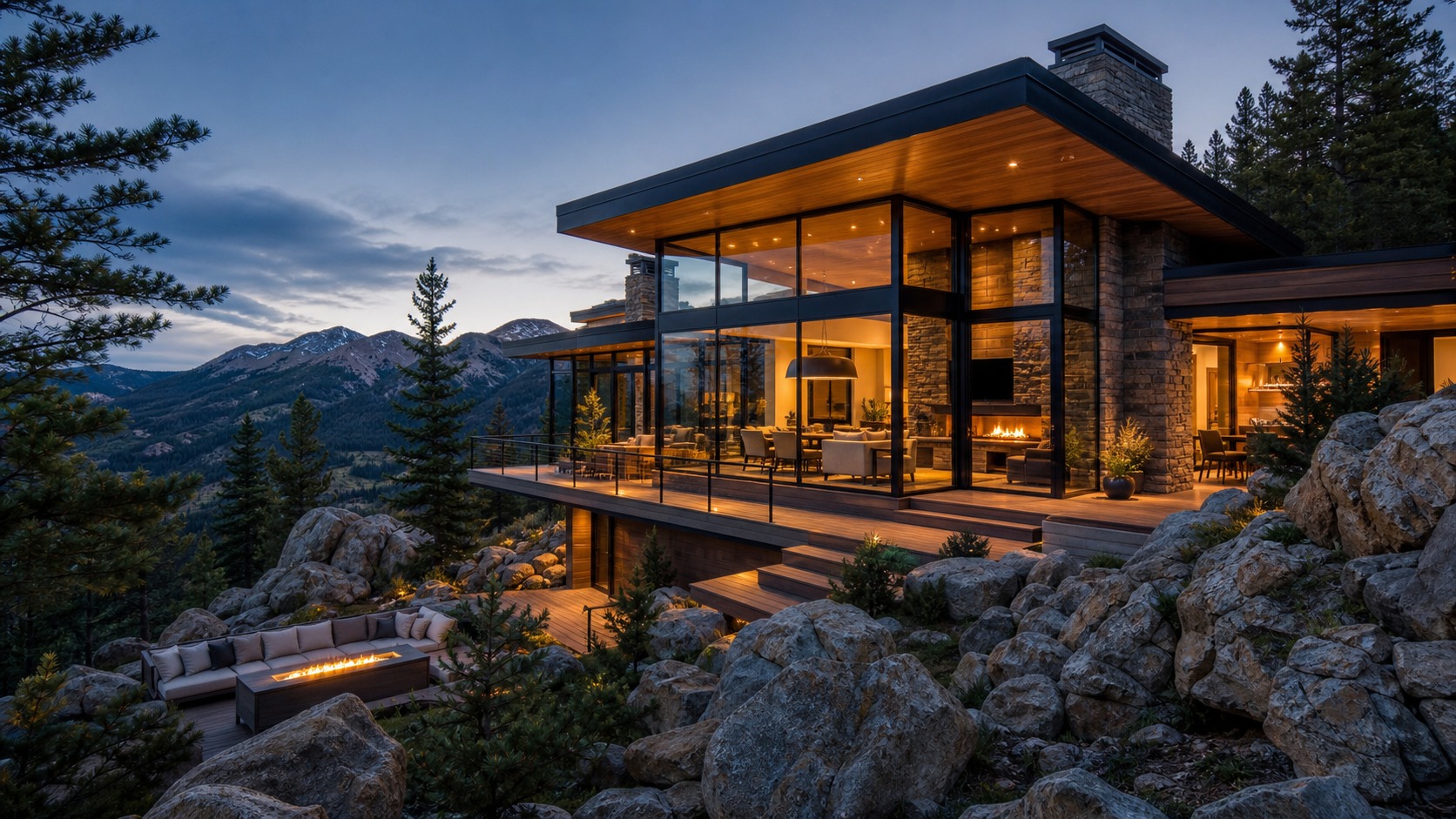
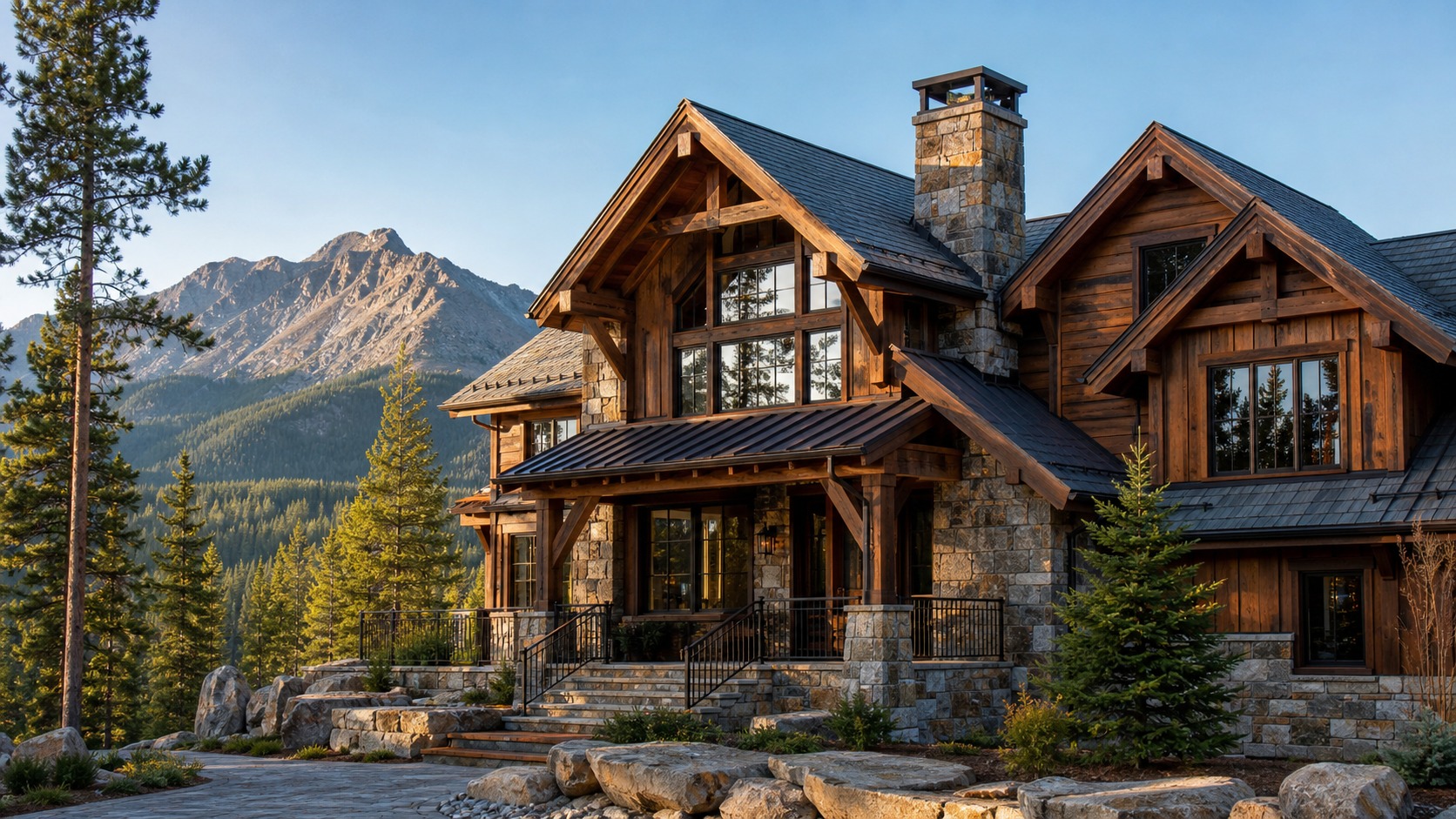
The foundation of a year-round mountain retreat begins with architecture that respects and responds to its environment. Rather than dominating the land, the best mountain homes feel as though they emerged naturally from it. Sloping rooflines echo surrounding ridges, while stone bases anchor structures into the terrain. Expansive windows frame mountain views as living artwork, changing with the weather and time of day. Designers increasingly favor asymmetry and organic forms to mirror nature’s irregular beauty. This approach creates visual interest while allowing homes to adapt to steep sites, heavy snowfall, or shifting light patterns. Deep overhangs protect interiors from harsh sun in summer and shed snow in winter, making the home feel sheltered yet open. When architecture aligns with the land, the home feels calm, timeless, and deeply rooted.
Interiors That Balance Warmth and Refinement
Inside a mountain retreat, comfort takes center stage—but never at the expense of sophistication. The most inviting interiors rely on a layered approach, blending texture, tone, and craftsmanship. Natural woods, exposed beams, and stone accents establish warmth, while clean lines and restrained palettes prevent the space from feeling heavy or dated.
Rather than ornate detailing, modern mountain homes favor subtle elegance. Wide-plank floors, hand-troweled plaster walls, and custom millwork add depth without distraction. Soft neutrals dominate, allowing seasonal light and surrounding landscapes to influence the mood of each room. The result is an interior that feels cozy in winter, airy in summer, and effortlessly serene year-round.
Living Spaces Designed for Gathering and Stillness
Mountain homes excel when they accommodate both lively gatherings and quiet solitude. Open-concept living areas encourage connection, allowing kitchens, dining spaces, and great rooms to flow seamlessly together. Large hearths often anchor these spaces, creating a natural focal point that draws people in and fosters conversation. At the same time, thoughtful layouts include intimate nooks designed for retreat within the retreat. Window seats overlooking valleys, reading corners tucked beside fireplaces, and private dens offer moments of escape. This balance ensures the home feels welcoming when full of guests yet restorative when occupied by just one or two people seeking stillness.
Kitchens That Invite Slow Living
In a true year-round mountain retreat, the kitchen is more than a functional space—it’s a gathering place that encourages unhurried living. These kitchens prioritize openness, natural light, and durable beauty. Stone countertops, wood cabinetry, and artisan fixtures bring authenticity, while modern appliances ensure everyday convenience.
Large islands often serve as the heart of the room, doubling as prep surfaces and casual dining spots. Windows positioned above sinks or prep areas offer views of forests or peaks, transforming daily routines into grounding rituals. Whether hosting après-ski dinners or summer brunches, these kitchens are designed to feel warm, social, and deeply connected to the rhythm of mountain life.
Bedrooms That Feel Like Private Sanctuaries
A mountain retreat bedroom should feel like a refuge within a refuge. The most successful designs prioritize comfort, quiet, and a strong connection to nature. Soft materials, layered textiles, and muted tones create a sense of calm that supports rest and renewal. Oversized windows or glass doors bring in morning light and panoramic views, making each awakening feel intentional rather than rushed. Fireplaces in primary suites add a touch of indulgence while enhancing year-round comfort. In colder months, they provide warmth and ambiance; in warmer seasons, they become architectural statements that ground the room. Paired with spa-inspired bathrooms featuring stone, wood, and natural light, these bedrooms offer a deeply restorative experience.
Indoor-Outdoor Living Without Boundaries
One of the defining features of a year-round mountain retreat is its ability to blur the line between indoors and outdoors. Covered terraces, screened porches, and expansive decks extend living spaces into the landscape while remaining usable in multiple seasons. Thoughtful placement of outdoor seating areas ensures protection from wind, sun, or snow without sacrificing views.
Large sliding or folding glass doors allow interiors to open fully to the outdoors during warmer months, while still offering insulation and comfort when temperatures drop. Fire pits, outdoor fireplaces, and heated patios further extend usability, making it possible to enjoy mountain air even on crisp evenings. This seamless flow reinforces a constant connection to nature, regardless of weather.
Materials That Age Gracefully
The most compelling mountain homes are designed to grow more beautiful over time. Natural materials play a crucial role in achieving this longevity. Stone develops character, wood gains patina, and metal accents weather gracefully, telling the story of years spent in the mountains. Rather than fighting the elements, these homes embrace them. Finishes are selected not just for their appearance but for their ability to withstand sun, snow, and temperature fluctuations. This approach ensures the home remains visually cohesive and structurally sound while maintaining a relaxed, lived-in elegance that only improves with age.
Lighting That Reflects the Rhythm of Nature
Lighting in a mountain retreat should enhance, not overpower, the natural environment. During the day, abundant windows reduce the need for artificial light while framing the ever-changing landscape. At night, layered lighting creates warmth and intimacy without disrupting the surrounding darkness.
Soft ambient lighting, strategically placed task lighting, and subtle accent fixtures work together to shape mood. Designers often favor warm tones that echo firelight and sunset hues, reinforcing the sense of comfort. Thoughtful lighting ensures the home feels inviting after dusk while preserving the quiet magic of mountain nights.
Wellness-Focused Design for Everyday Escape
Year-round mountain retreats increasingly incorporate wellness elements that support physical and mental well-being. Home spas, yoga rooms, and meditation spaces reflect a desire to slow down and reconnect with oneself. Large windows, natural materials, and calming color palettes enhance these spaces, making them feel restorative rather than indulgent. Even simple design choices—like improved air quality, acoustic insulation, and thoughtful circulation—contribute to a healthier living environment. These homes are designed not just to be admired but to be lived in deeply, supporting a lifestyle rooted in balance and mindfulness.
A Lifestyle Defined by Intentional Living
What ultimately sets year-round mountain retreats apart is the lifestyle they inspire. These homes encourage presence, simplicity, and a deeper appreciation for daily moments. Morning coffee feels more meaningful when paired with mountain views. Evenings become rituals rather than routines, shaped by firelight, quiet conversations, and starlit skies.
By combining thoughtful architecture, refined interiors, and a profound connection to nature, mountain homes transcend their physical structures. They become places of renewal—spaces that restore energy, foster creativity, and offer a sense of peace that lasts well beyond any single season.