The Lifestyle Behind the Listing
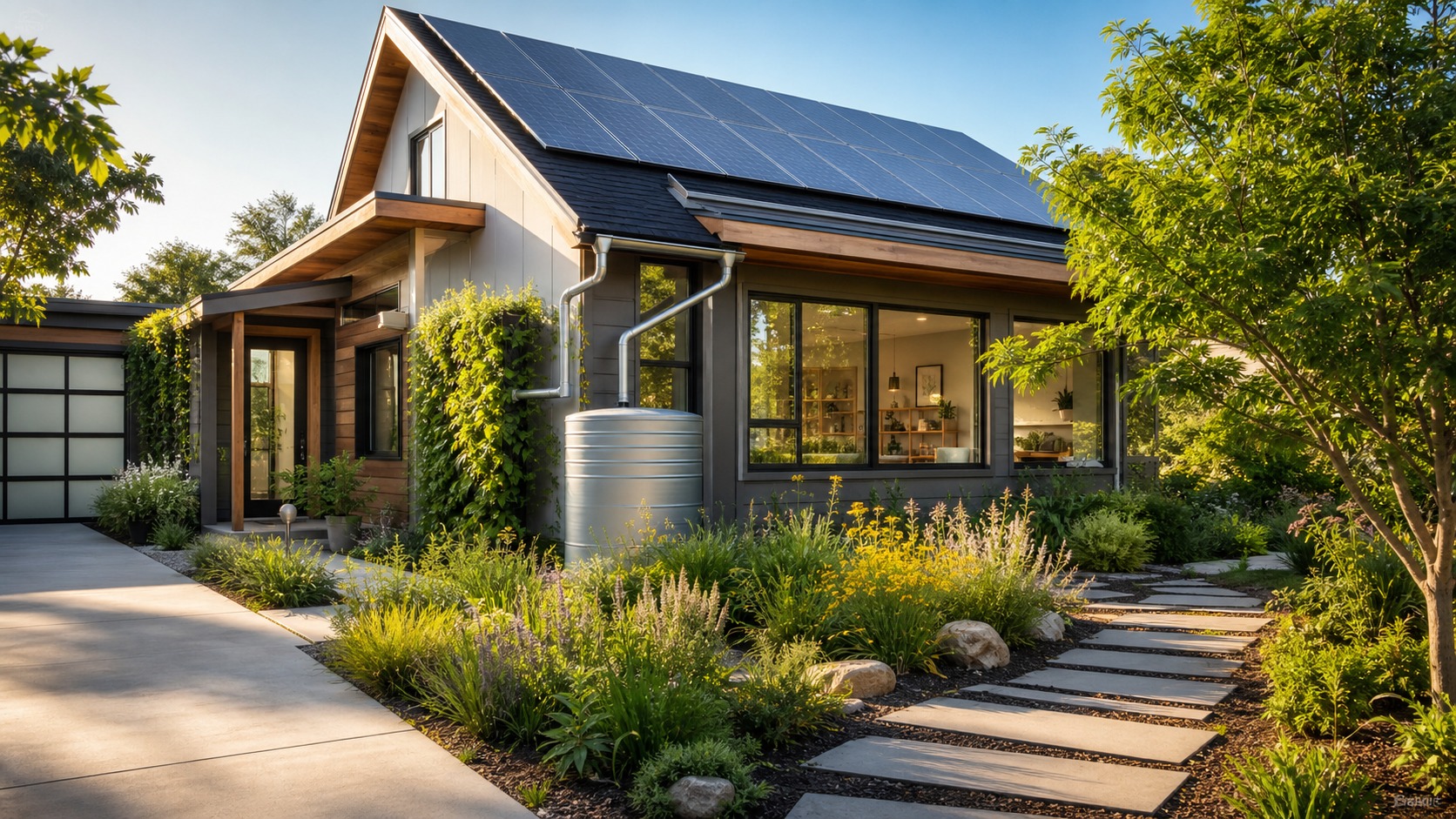
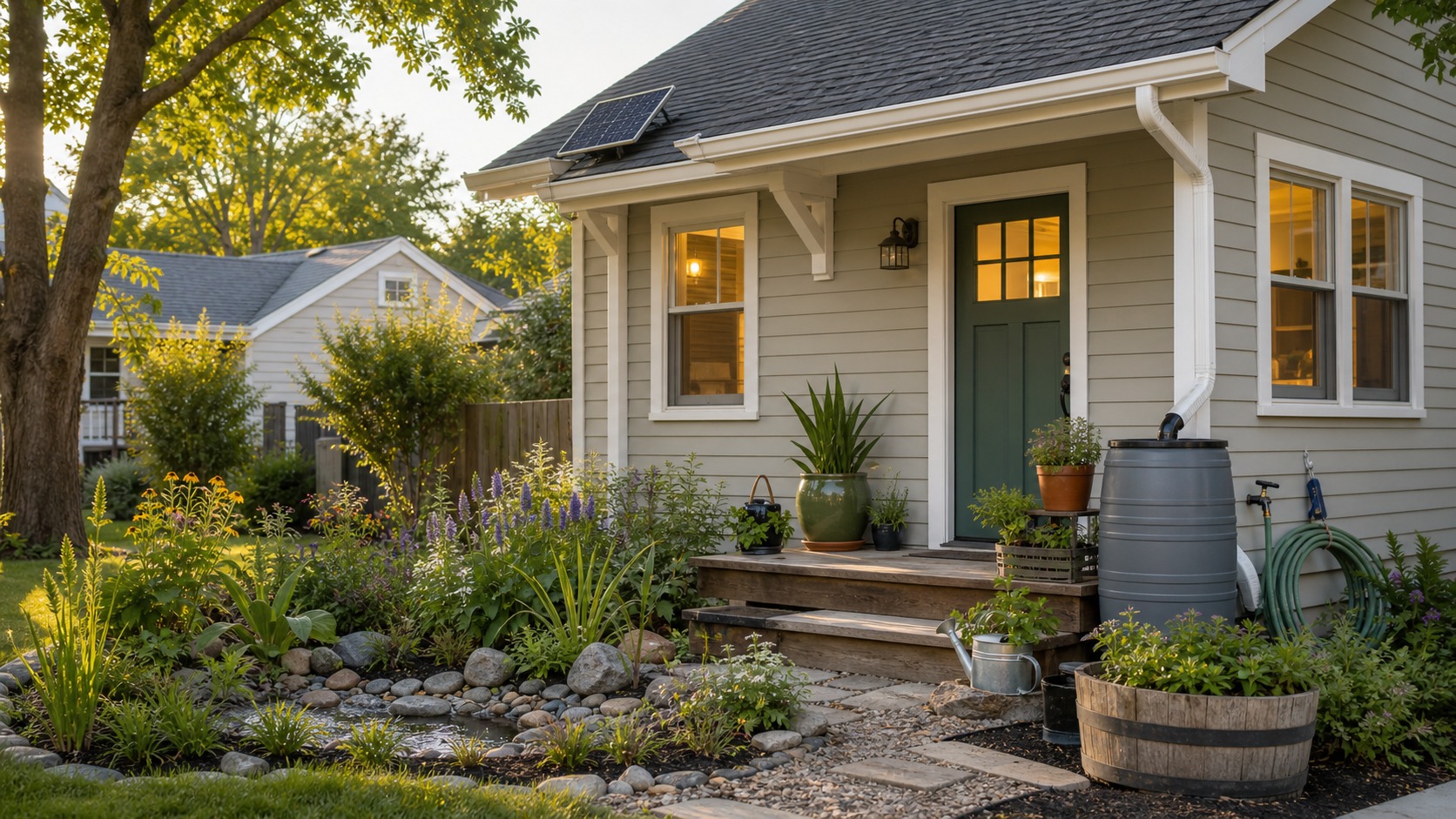
The best version of the biggest benefits of sustainable living treats solar as part of the whole living system. It connects budget, comfort, maintenance, and resale into one decision instead of treating each item as a separate surprise. In real homes, the winning choice is usually the one that keeps working after the first impression fades. In this article, the core question is not whether solar is attractive, but whether it makes how efficiency choices compound through energy, water, air quality, and habits. First Impressions matters because sustainable homes are never just a floor plan. Owners should test the idea against routines: where things are stored, how guests arrive, how repairs happen, and what the home asks for during the hardest season. Those small tests reveal whether the promise is durable. That perspective keeps the conversation grounded and helps readers separate useful design from expensive noise.
A: Compare it against your budget, routines, seasonality, and resale plans before treating it as a must-have.
A: Compare it against your budget, routines, seasonality, and resale plans before treating it as a must-have.
A: Compare it against your budget, routines, seasonality, and resale plans before treating it as a must-have.
A: Compare it against your budget, routines, seasonality, and resale plans before treating it as a must-have.
A: Compare it against your budget, routines, seasonality, and resale plans before treating it as a must-have.
A: Compare it against your budget, routines, seasonality, and resale plans before treating it as a must-have.
A: Compare it against your budget, routines, seasonality, and resale plans before treating it as a must-have.
A: Compare it against your budget, routines, seasonality, and resale plans before treating it as a must-have.
A: Compare it against your budget, routines, seasonality, and resale plans before treating it as a must-have.
A: Compare it against your budget, routines, seasonality, and resale plans before treating it as a must-have.
1. How the Location Shapes the Experience
A strong approach to seasonal resilience starts with the ordinary moments people repeat every week. Owners should test the idea against routines: where things are stored, how guests arrive, how repairs happen, and what the home asks for during the hardest season. Those small tests reveal whether the promise is durable. The result is a clearer path for choosing, designing, or improving a property with confidence.
The best version of the biggest benefits of sustainable living treats insulation as part of the whole living system. When the decision is made carefully, the property feels less like a staged scene and more like a dependable setting for real life. That is the difference between a trend and a home that keeps its value emotionally and financially. In this article, the core question is not whether insulation is attractive, but whether it makes how efficiency choices compound through energy, water, air quality, and habits.
2. The Maintenance Story After Move-In
The best version of the biggest benefits of sustainable living treats air sealing as part of the whole living system. It connects budget, comfort, maintenance, and resale into one decision instead of treating each item as a separate surprise. In real homes, the winning choice is usually the one that keeps working after the first impression fades. In this article, the core question is not whether air sealing is attractive, but whether it makes how efficiency choices compound through energy, water, air quality, and habits.
The Maintenance Story After Move-In matters because sustainable homes are never just a floor plan. That means looking at how the property behaves in busy mornings, quiet evenings, bad weather, and future ownership changes. A beautiful feature earns its place when it supports both the mood of the home and the logistics behind it. That perspective keeps the conversation grounded and helps readers separate useful design from expensive noise.
3. Where Design Adds Real Value
Cost Reality matters because sustainable homes are never just a floor plan. Owners should test the idea against routines: where things are stored, how guests arrive, how repairs happen, and what the home asks for during the hardest season. Those small tests reveal whether the promise is durable. That perspective keeps the conversation grounded and helps readers separate useful design from expensive noise.
For homeowners seeking comfort, lower waste, and smarter operating costs, where design adds real value is where the idea becomes practical. When the decision is made carefully, the property feels less like a staged scene and more like a dependable setting for real life. That is the difference between a trend and a home that keeps its value emotionally and financially. Seen this way, the biggest benefits of sustainable living becomes a practical framework rather than a vague aspiration.
4. A Better Way to Compare Options
For homeowners seeking comfort, lower waste, and smarter operating costs, design logic is where the idea becomes practical. It connects budget, comfort, maintenance, and resale into one decision instead of treating each item as a separate surprise. In real homes, the winning choice is usually the one that keeps working after the first impression fades. Seen this way, the biggest benefits of sustainable living becomes a practical framework rather than a vague aspiration.
A strong approach to a better way to compare options starts with the ordinary moments people repeat every week. That means looking at how the property behaves in busy mornings, quiet evenings, bad weather, and future ownership changes. A beautiful feature earns its place when it supports both the mood of the home and the logistics behind it. The result is a clearer path for choosing, designing, or improving a property with confidence.
5. Mistakes That Make Good Homes Feel Hard
A strong approach to market fit starts with the ordinary moments people repeat every week. Owners should test the idea against routines: where things are stored, how guests arrive, how repairs happen, and what the home asks for during the hardest season. Those small tests reveal whether the promise is durable. The result is a clearer path for choosing, designing, or improving a property with confidence.
The best version of the biggest benefits of sustainable living treats native plants as part of the whole living system. When the decision is made carefully, the property feels less like a staged scene and more like a dependable setting for real life. That is the difference between a trend and a home that keeps its value emotionally and financially. In this article, the core question is not whether native plants is attractive, but whether it makes how efficiency choices compound through energy, water, air quality, and habits.
6. The Long View on Ownership
The best version of the biggest benefits of sustainable living treats appliances as part of the whole living system. It connects budget, comfort, maintenance, and resale into one decision instead of treating each item as a separate surprise. In real homes, the winning choice is usually the one that keeps working after the first impression fades. In this article, the core question is not whether appliances is attractive, but whether it makes how efficiency choices compound through energy, water, air quality, and habits.
The Long View on Ownership matters because sustainable homes are never just a floor plan. That means looking at how the property behaves in busy mornings, quiet evenings, bad weather, and future ownership changes. A beautiful feature earns its place when it supports both the mood of the home and the logistics behind it. That perspective keeps the conversation grounded and helps readers separate useful design from expensive noise.
7. Reading the Site Before the Floor Plan
Comfort Test matters because sustainable homes are never just a floor plan. Owners should test the idea against routines: where things are stored, how guests arrive, how repairs happen, and what the home asks for during the hardest season. Those small tests reveal whether the promise is durable. That perspective keeps the conversation grounded and helps readers separate useful design from expensive noise.
For homeowners seeking comfort, lower waste, and smarter operating costs, reading the site before the floor plan is where the idea becomes practical. When the decision is made carefully, the property feels less like a staged scene and more like a dependable setting for real life. That is the difference between a trend and a home that keeps its value emotionally and financially. Seen this way, the biggest benefits of sustainable living becomes a practical framework rather than a vague aspiration.
The Smartest Move Is the Most Livable One
For homeowners seeking comfort, lower waste, and smarter operating costs, final decision is where the idea becomes practical. It connects budget, comfort, maintenance, and resale into one decision instead of treating each item as a separate surprise. In real homes, the winning choice is usually the one that keeps working after the first impression fades. Seen this way, the biggest benefits of sustainable living becomes a practical framework rather than a vague aspiration. Next Step matters because sustainable homes are never just a floor plan. It connects budget, comfort, maintenance, and resale into one decision instead of treating each item as a separate surprise. In real homes, the winning choice is usually the one that keeps working after the first impression fades. That perspective keeps the conversation grounded and helps readers separate useful design from expensive noise.
For homeowners seeking comfort, lower waste, and smarter operating costs, budget reality is where the idea becomes practical. It connects budget, comfort, maintenance, and resale into one decision instead of treating each item as a separate surprise. In real homes, the winning choice is usually the one that keeps working after the first impression fades. Seen this way, the biggest benefits of sustainable living becomes a practical framework rather than a vague aspiration.
The best version of the biggest benefits of sustainable living treats water use as part of the whole living system. When the decision is made carefully, the property feels less like a staged scene and more like a dependable setting for real life. That is the difference between a trend and a home that keeps its value emotionally and financially. In this article, the core question is not whether water use is attractive, but whether it makes how efficiency choices compound through energy, water, air quality, and habits.
For homeowners seeking comfort, lower waste, and smarter operating costs, daily use is where the idea becomes practical. Owners should test the idea against routines: where things are stored, how guests arrive, how repairs happen, and what the home asks for during the hardest season. Those small tests reveal whether the promise is durable. Seen this way, the biggest benefits of sustainable living becomes a practical framework rather than a vague aspiration.
The best version of the biggest benefits of sustainable living treats native plants as part of the whole living system. That means looking at how the property behaves in busy mornings, quiet evenings, bad weather, and future ownership changes. A beautiful feature earns its place when it supports both the mood of the home and the logistics behind it. In this article, the core question is not whether native plants is attractive, but whether it makes how efficiency choices compound through energy, water, air quality, and habits.
For homeowners seeking comfort, lower waste, and smarter operating costs, seasonal planning is where the idea becomes practical. It connects budget, comfort, maintenance, and resale into one decision instead of treating each item as a separate surprise. In real homes, the winning choice is usually the one that keeps working after the first impression fades. Seen this way, the biggest benefits of sustainable living becomes a practical framework rather than a vague aspiration.
The best version of the biggest benefits of sustainable living treats insulation as part of the whole living system. When the decision is made carefully, the property feels less like a staged scene and more like a dependable setting for real life. That is the difference between a trend and a home that keeps its value emotionally and financially. In this article, the core question is not whether insulation is attractive, but whether it makes how efficiency choices compound through energy, water, air quality, and habits.