The Evolution of Urban Housing, Community, and Convenience
Cities are changing faster than ever, and the way people live within them is evolving just as quickly. As urban populations grow, land becomes scarcer, and lifestyles shift, multi-family living has emerged as one of the defining housing trends of the modern era. Once viewed primarily as a practical solution for dense cities, multi-family housing is now reshaping urban life—offering flexibility, community, and design-forward living that aligns with contemporary values. From high-rise apartments in global metros to thoughtfully designed mid-rise developments in revitalized neighborhoods, multi-family living has become a cornerstone of modern city planning. It reflects changing priorities around affordability, sustainability, mobility, and social connection. More than just a housing type, it represents a new way of experiencing city life.
A: Urban job growth, limited land, affordability pressures, and lifestyle preferences for walkable, amenity-rich neighborhoods.
A: Apartments are typically rented under a single owner; condos are individually owned units within a shared association.
A: HOA reserves, recent assessments, insurance coverage, rules, and the maintenance history of major systems.
A: Ask about sound ratings, read reviews, tour at busy times, and listen for hallway/neighbor noise during showings.
A: If you’ll use them. The best value amenities reduce outside spending (gym, co-working) and improve daily convenience.
A: HOA dues, special assessments, parking fees, storage fees, utilities, and renter insurance requirements.
A: Transit access, grocery proximity, safety, noise levels, green space, and how the area feels at night.
A: It can be—look for sound separation, safe outdoor areas, schools, and kid-friendly layouts.
A: Ask response times, maintenance staffing, turnover rates, and review how clean and organized common areas are.
A: Strong soundproofing + great natural light—those two upgrades change daily life more than almost anything else.
Understanding Multi-Family Living in Today’s Urban Context
At its core, multi-family living refers to residential properties that house multiple separate living units within a single building or connected group of buildings. These can include apartments, condominiums, duplexes, triplexes, and mixed-use residential developments. While the concept itself is not new, its role in cities has expanded dramatically in recent decades. What distinguishes modern multi-family living from earlier iterations is intention. Today’s developments focus not only on density, but on quality of life. Thoughtful layouts, shared amenities, integrated services, and proximity to work and leisure have transformed multi-family housing into an attractive lifestyle choice rather than a compromise. This shift has broadened its appeal far beyond traditional renter demographics.
Urban Growth and the Pressure on Space
One of the most powerful drivers behind the rise of multi-family living is urbanization. Cities continue to attract people seeking economic opportunity, cultural vibrancy, and social connectivity. As populations increase, the challenge becomes how to house more residents without expanding endlessly outward.
Multi-family developments offer an efficient response to this pressure. By stacking homes vertically or clustering them thoughtfully, cities can accommodate growth while preserving land and reducing infrastructure strain. This density supports public transportation, walkable neighborhoods, and local businesses—key ingredients of thriving urban environments.
In many cities, zoning reforms and planning initiatives now actively encourage multi-family construction as a way to balance growth with livability. The result is a built environment that feels more cohesive, accessible, and resilient.
Shifting Lifestyles and Changing Priorities
Modern lifestyles have played a significant role in redefining housing preferences. Many city dwellers value flexibility, convenience, and experience over square footage alone. Multi-family living aligns naturally with these priorities.
Smaller, efficiently designed homes reduce maintenance responsibilities and free up time for work, social life, and personal pursuits. Proximity to employment hubs, restaurants, cultural venues, and green spaces minimizes commuting and enhances daily life. For many residents, the city itself becomes an extension of their living space. This shift is particularly evident among younger professionals, downsizing empty nesters, and remote workers who prioritize location and community over traditional single-family homeownership.
Affordability and Accessibility in Growing Cities
Housing affordability has become a defining challenge for modern cities, and multi-family living plays a critical role in addressing it. While not a universal solution, multi-family developments can offer more attainable price points compared to detached homes in high-demand urban areas.
Shared land costs, infrastructure efficiencies, and smaller unit sizes contribute to lower per-unit expenses. In rental markets, this can translate to more options across income levels. In ownership markets, condominiums provide an entry point for buyers who might otherwise be priced out of urban living.
As cities grapple with housing shortages, multi-family housing has become a key tool for expanding supply without sacrificing access to jobs, education, and services.
The Role of Design in Modern Multi-Family Housing
Design has transformed the perception of multi-family living. Contemporary developments emphasize natural light, flexible floor plans, and high-quality materials that rival single-family homes. Architects increasingly focus on creating spaces that feel personal, comfortable, and connected rather than repetitive or anonymous.
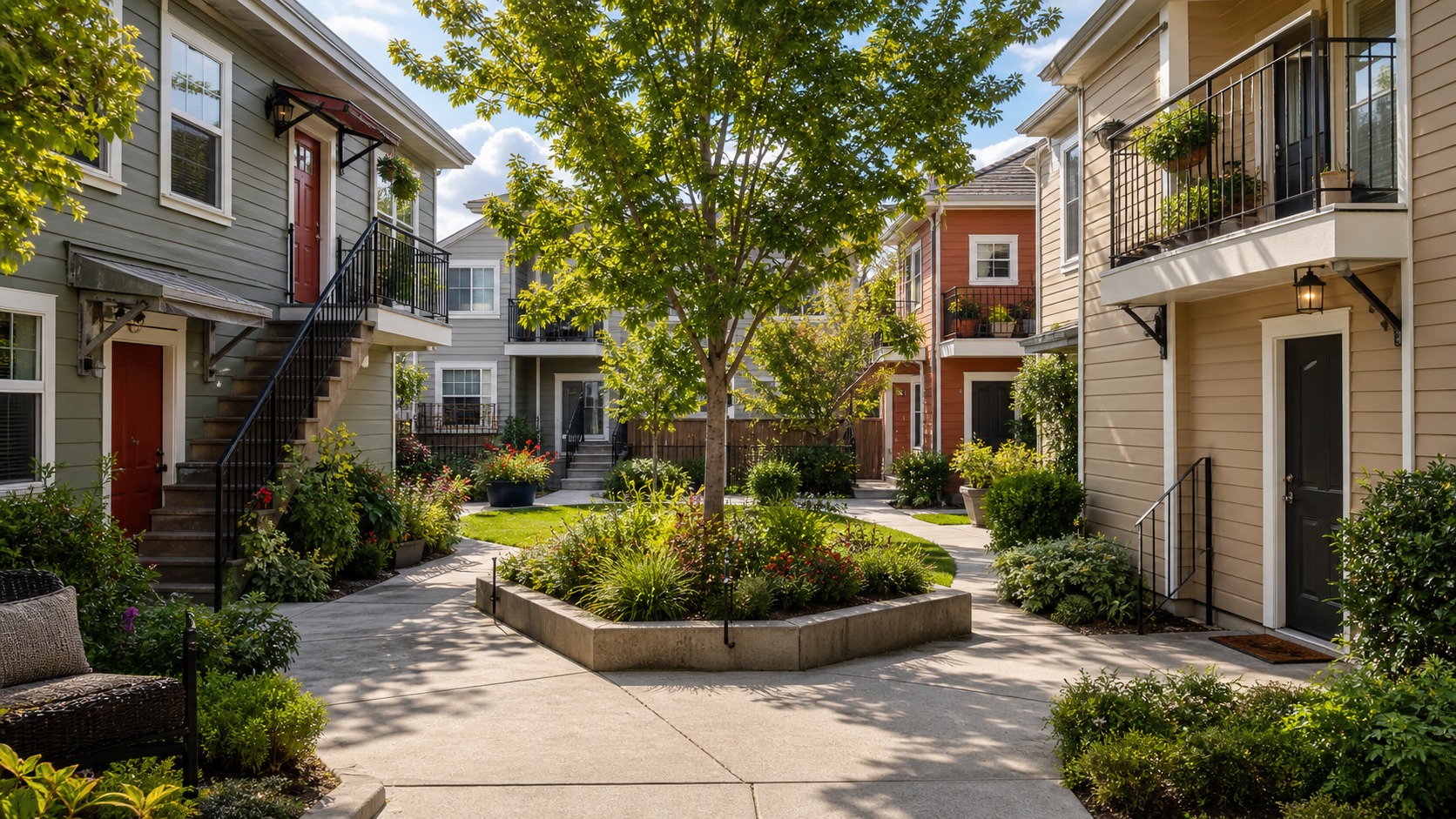
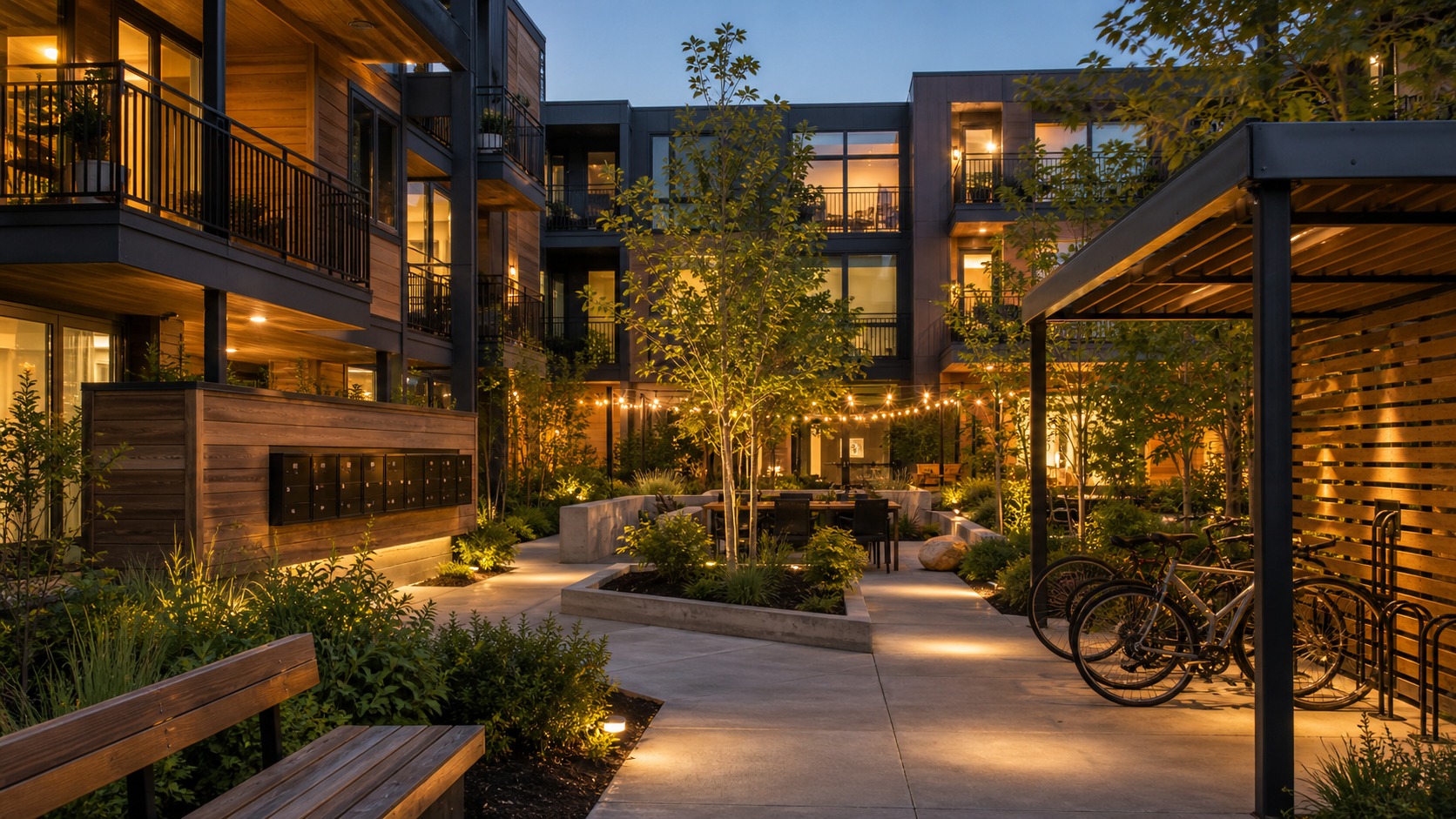
Shared spaces are designed with intention, offering lounges, rooftop terraces, courtyards, and co-working areas that encourage interaction without forcing it. Private units balance openness with privacy, allowing residents to retreat when needed while still feeling part of a larger community. This design-forward approach has elevated multi-family housing into a desirable lifestyle choice rather than a purely functional one.
Community as a Central Feature
One of the most compelling aspects of multi-family living is its ability to foster community. In contrast to isolated living arrangements, multi-family environments naturally create opportunities for connection. Casual encounters in shared spaces, organized events, and communal amenities help residents build relationships and a sense of belonging.
In modern cities, where social isolation can be a challenge, this built-in community has real value. Developers increasingly recognize this and design spaces that encourage interaction while respecting personal boundaries. The result is a more human-centered approach to urban living.
For many residents, this sense of connection becomes one of the most rewarding aspects of multi-family life.
Sustainability and Environmental Efficiency
Sustainability has become a central concern in urban development, and multi-family housing offers clear environmental advantages. Higher-density living reduces per-capita energy use, supports efficient heating and cooling systems, and lowers transportation emissions by placing residents closer to jobs and services.
Modern multi-family buildings often incorporate energy-efficient materials, water-saving systems, and smart technologies that reduce environmental impact. Shared walls minimize heat loss, while centralized systems improve overall efficiency. As cities pursue climate goals, multi-family living aligns naturally with efforts to create more sustainable, resource-conscious urban environments.
The Integration of Work, Life, and Living Spaces
The rise of remote and hybrid work has further increased the appeal of multi-family living. Many modern developments now include co-working lounges, private meeting rooms, and flexible spaces that support professional life within the residential environment.
This integration allows residents to live, work, and socialize within a single neighborhood or building, reducing the need for long commutes and improving work-life balance. It reflects a broader trend toward mixed-use environments where daily needs are met within a compact, walkable radius.
Multi-family housing has proven particularly adaptable to these evolving patterns of work and living.
Mixed-Use Developments and Urban Vitality
Multi-family living increasingly intersects with mixed-use development, where residential spaces coexist with retail, dining, and office uses. This integration creates vibrant, active neighborhoods that feel alive throughout the day.
Residents benefit from immediate access to everyday conveniences, while businesses gain a built-in customer base. Cities benefit from reduced traffic congestion and more efficient land use. These developments blur the line between living space and urban experience, reinforcing the idea that home extends beyond the front door. This model has become a hallmark of forward-thinking urban design.
A Demographic Shift in Multi-Family Residents
Once associated primarily with young renters, multi-family living now attracts a wide range of demographics. Families, retirees, and long-term homeowners are increasingly choosing multi-family options for their convenience, security, and lifestyle benefits.
Luxury condominiums, family-oriented apartment communities, and age-inclusive developments reflect this diversification. As design and amenities continue to improve, multi-family living has shed many outdated stigmas and gained broader acceptance across age and income groups.
This demographic shift has further solidified multi-family housing as a permanent feature of modern cities.
Challenges and Considerations in Multi-Family Growth
Despite its many advantages, the expansion of multi-family living is not without challenges. Concerns around density, infrastructure capacity, and neighborhood character often accompany new developments. Successful projects address these issues through thoughtful planning, community engagement, and high-quality design.
When executed poorly, multi-family housing can feel impersonal or disconnected. When done well, it enhances neighborhoods, supports local economies, and improves quality of life. The difference lies in intentionality, collaboration, and long-term vision. Cities that approach multi-family growth strategically are better positioned to reap its benefits.
The Future of Multi-Family Living in Cities
Looking ahead, multi-family living is poised to play an even larger role in shaping urban life. Advances in construction technology, smart building systems, and sustainable materials will continue to improve comfort and efficiency. At the same time, changing cultural values will place greater emphasis on community, flexibility, and shared experience.
As cities strive to become more inclusive, resilient, and livable, multi-family housing offers a powerful framework for meeting these goals. It represents not just a response to growth, but an opportunity to rethink how people live together in urban environments. The rise of multi-family living is ultimately a story about adaptation—cities evolving alongside the people who call them home.