Understanding Multi-Family Housing, Shared Spaces, and Modern Residential Living
Multi-family living is one of those terms you hear constantly in real estate, urban planning, and housing conversations—but for beginners, it can feel vague or intimidating. Is it an apartment? A duplex? A condo building? The short answer is yes, and more. The long answer is far more interesting. At its core, multi-family living refers to a residential property designed to house multiple separate households within a single building or group of buildings. Each household has its own private living space, while sharing a common structure, land, or amenities. But multi-family living isn’t just a building type—it’s a lifestyle, an investment category, and a major force shaping how people live in cities, suburbs, and growing communities. This guide breaks it all down from the ground up. Whether you’re a renter, a first-time buyer, a curious homeowner, or someone exploring real estate investing, you’ll leave with a clear, confident understanding of what multi-family living really is and how it fits into today’s housing landscape.
A: Yes—anything with 2+ separate units is typically multi-family.
A: Apartments are usually rentals; condos are individually owned units with an HOA.
A: No—smaller properties may have none; larger complexes often include several.
A: It depends on construction quality, layout, and building age—tour carefully and ask about insulation.
A: Yes for condos; apartments usually have property management instead of an HOA.
A: Often, especially in expensive areas, but fees and utilities can change the math.
A: Total monthly costs, parking, pet rules, maintenance response, and lease terms.
A: HOA budget/reserves, rules, special assessments, and building maintenance history.
A: Yes—many buyers “house hack” by living in one unit and renting the others.
A: Ignoring fees, rules, and building condition—those shape costs and quality of life.
Understanding the Core Idea of Multi-Family Living
Multi-family living describes residential properties that contain more than one housing unit. Each unit is self-contained, typically including a kitchen, bathroom, living space, and sleeping areas. What makes these properties unique is that multiple households live independently while sharing a larger structure or development.
Unlike single-family homes, which are designed for one household and usually sit on their own lot, multi-family properties prioritize density, efficiency, and shared infrastructure. They allow more people to live within a smaller footprint of land, making them especially common in urban environments and high-growth areas.
Multi-family living exists on a spectrum. On one end, you might find a simple duplex in a quiet neighborhood. On the other, a large apartment complex with hundreds of units, shared amenities, and on-site management. Both fall under the same umbrella, even though the living experience can feel very different.
Common Types of Multi-Family Housing
Multi-family living comes in many forms, each with its own character, layout, and appeal.
Smaller properties like duplexes, triplexes, and fourplexes often blend seamlessly into residential neighborhoods. These buildings house two to four units, typically stacked vertically or arranged side by side, and may look similar to a large single-family home from the outside.
Mid-sized multi-family buildings usually include five to several dozen units. These are often referred to as apartment buildings and may include shared hallways, stairwells, or elevators. Residents usually rent their units, and professional property management is common.
Large-scale multi-family developments include apartment complexes and mixed-use communities. These properties can span multiple buildings and often feature amenities like fitness centers, pools, lounges, co-working spaces, and landscaped outdoor areas. Some even integrate retail or office space on the ground level, creating walkable mini-neighborhoods.
Condominiums are another form of multi-family housing, though ownership works differently. Instead of renting, residents own their individual units while sharing ownership of common areas through a homeowners association.
How Multi-Family Living Differs from Single-Family Living
The biggest difference between multi-family and single-family living is shared space. In a single-family home, everything—from the walls to the yard—is dedicated to one household. Multi-family living introduces shared walls, shared infrastructure, and sometimes shared amenities.
This doesn’t mean sacrificing privacy. Modern multi-family design emphasizes soundproofing, smart layouts, and clear boundaries between units. Many residents enjoy the balance of private living space combined with the convenience of shared resources.
Maintenance is another key distinction. In multi-family properties, landlords or associations often handle exterior upkeep, landscaping, and major repairs. This can be a major lifestyle upgrade for people who prefer not to manage ongoing home maintenance themselves.
From a financial perspective, multi-family living can also offer lower monthly housing costs, especially in high-demand areas where single-family homes are less accessible.
Why Multi-Family Living Has Become So Popular
Multi-family living has surged in popularity over the past few decades, driven by changing lifestyles, economic realities, and urban growth. As cities expand and housing demand increases, multi-family developments offer an efficient way to provide more homes without endless sprawl. Younger professionals often gravitate toward multi-family living for its flexibility and proximity to work, entertainment, and social opportunities. Empty nesters and retirees appreciate the reduced maintenance and sense of community. Families, especially in urban areas, value access to amenities and nearby services. Affordability also plays a major role. Multi-family housing can offer more attainable price points compared to single-family homes in the same area, making it an essential component of modern housing solutions.
The Lifestyle Experience of Multi-Family Living
Living in a multi-family property often means being closer to people—physically and socially. While some residents keep to themselves, others enjoy the sense of community that naturally develops when neighbors live nearby and share common spaces.
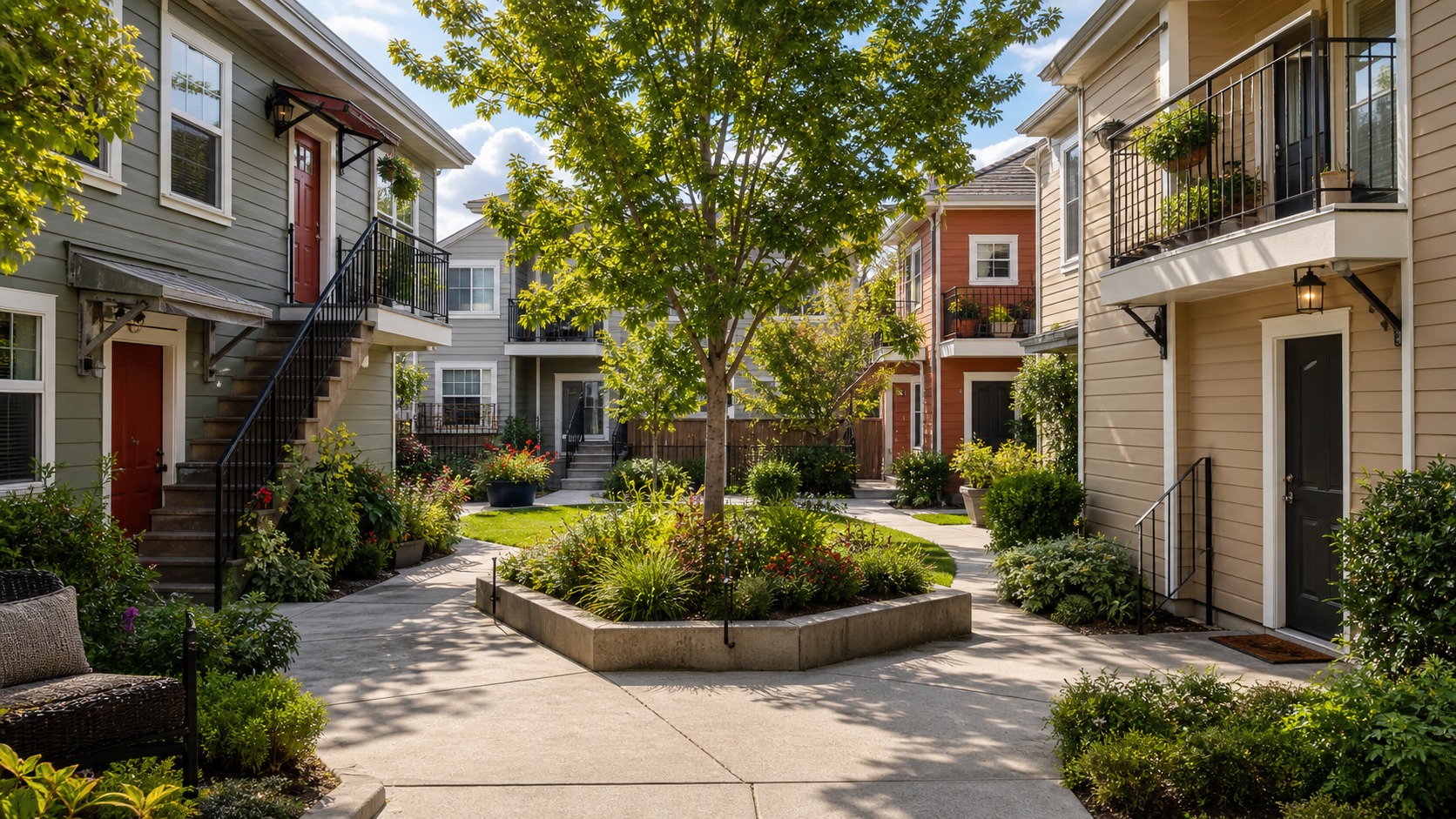
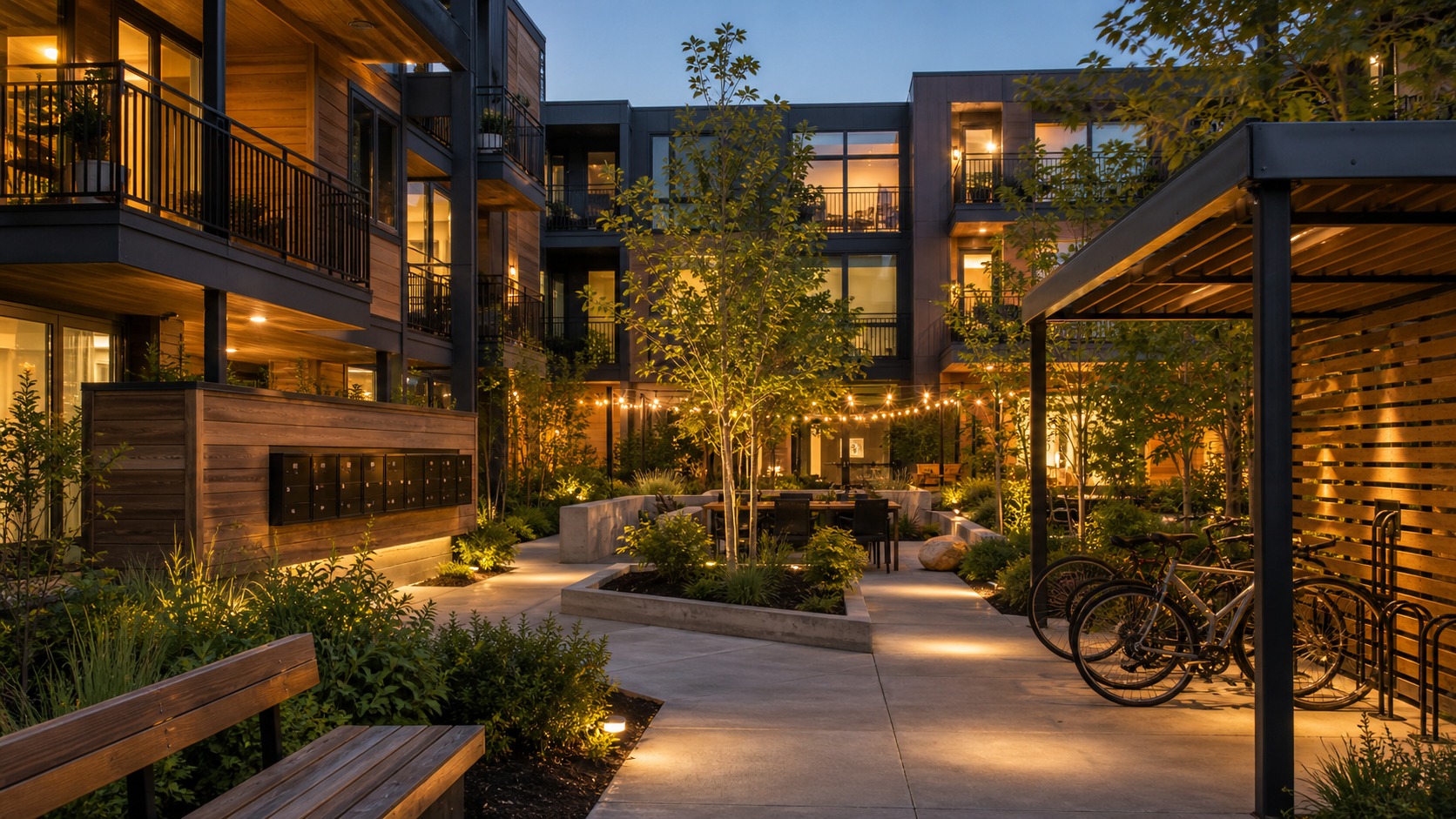
Many modern developments are intentionally designed to encourage interaction through communal lounges, courtyards, and shared amenities. These spaces can make it easier to meet people, build connections, and feel rooted in a neighborhood.
At the same time, multi-family living offers flexibility. Renting allows residents to move easily as life changes, while condo ownership provides stability without the responsibilities of a standalone house. The lifestyle can be tailored to different needs, preferences, and life stages.
Multi-Family Living as a Real Estate Investment
Beyond lifestyle, multi-family living plays a major role in real estate investing. Multi-family properties are often seen as a more stable investment compared to single-family rentals because they generate income from multiple units. If one unit becomes vacant, the property can still produce revenue from the others. This diversification of income helps reduce risk and smooth cash flow. For this reason, many investors start with small multi-family properties like duplexes before scaling up. Large multi-family developments are also popular with institutional investors, offering long-term income potential and economies of scale when it comes to maintenance and management.
Zoning and Regulations You Should Know About
Multi-family living is closely tied to zoning laws and local regulations. Cities and municipalities control where multi-family housing can be built, how dense it can be, and what types of buildings are allowed in specific areas.
Some neighborhoods are zoned exclusively for single-family homes, while others allow varying degrees of multi-family development. Understanding these rules is essential for developers, investors, and even buyers considering a multi-family property.
Regulations can also influence building height, parking requirements, green space, and unit size. These rules shape the look, feel, and functionality of multi-family communities.
Advantages of Multi-Family Living
Multi-family living offers a wide range of benefits.
- Lower maintenance responsibilities make it appealing to people who want more free time.
- Shared amenities provide access to features that might be impractical or expensive in a single-family home.
- Location is another major advantage. Multi-family properties are often situated near city centers, transit hubs, and commercial areas, making daily life more convenient and connected.
Financial flexibility, social opportunities, and modern design all contribute to the growing appeal of multi-family living across different demographics.
Challenges to Consider
While multi-family living has many upsides, it’s not without challenges. Shared walls can mean occasional noise, and common areas require cooperation among residents. Parking availability, pet policies, and homeowners association rules can also affect the experience.
The key is choosing a property that aligns with your priorities. Well-designed buildings, strong management, and clear community standards can minimize potential drawbacks and create a positive living environment.
Who Is Multi-Family Living Best For?
Multi-family living isn’t limited to one type of person. It works well for renters seeking flexibility, buyers wanting lower maintenance, investors building rental income, and communities addressing housing demand. It’s particularly attractive to people who value convenience, location, and efficiency over owning large amounts of private outdoor space. As lifestyles continue to evolve, multi-family living remains adaptable and relevant.
The Future of Multi-Family Living
The future of multi-family living is closely tied to innovation and sustainability. New developments are incorporating energy-efficient designs, smart home technology, and mixed-use concepts that blend living, working, and social spaces.
As cities grow and housing needs become more complex, multi-family living will continue to play a central role in shaping modern communities. It’s no longer just an alternative to single-family homes—it’s a foundational part of how people live today.
Final Thoughts
Multi-family living is more than a housing category. It’s a reflection of changing priorities, economic realities, and evolving lifestyles. By offering flexibility, efficiency, and community, it provides a practical and appealing option for millions of people. Whether you’re exploring your next place to live or learning the basics of real estate, understanding multi-family living gives you valuable insight into the future of housing—and where you might fit within it.