Faster Sales Usually Come From Removing Buyer Friction
Home staging helps homes sell faster when it makes the property easier to notice, easier to understand, and easier to remember. Buyers rarely say they rejected a home because the coffee table was wrong, but they do react to clutter, dim rooms, awkward furniture, odors, poor photos, and spaces that feel hard to use. The best staging tips are practical. They make the home look cleaner online, feel calmer in person, and answer buyer questions before those questions turn into objections.
A: No. It helps presentation, but price and market demand still matter.
A: Start with entry, living room, kitchen, primary bedroom, and confusing spaces.
A: Often yes. Buyers need to see space before they notice accents.
A: No need. A clean, neutral smell is usually better.
A: Yes. Good furniture scale and storage editing can make small homes easier to read.
A: Sometimes. Neutral paint helps when current colors distract or photograph poorly.
A: They need durable, simple staging that can handle more traffic.
A: Remove pet evidence for showings and clean odor sources thoroughly.
A: Yes. Crowded, artificial, or misleading staging can create buyer distrust.
A: After weak photo response, poor showing feedback, or repeated buyer confusion.
Start With the Listing Photos in Mind
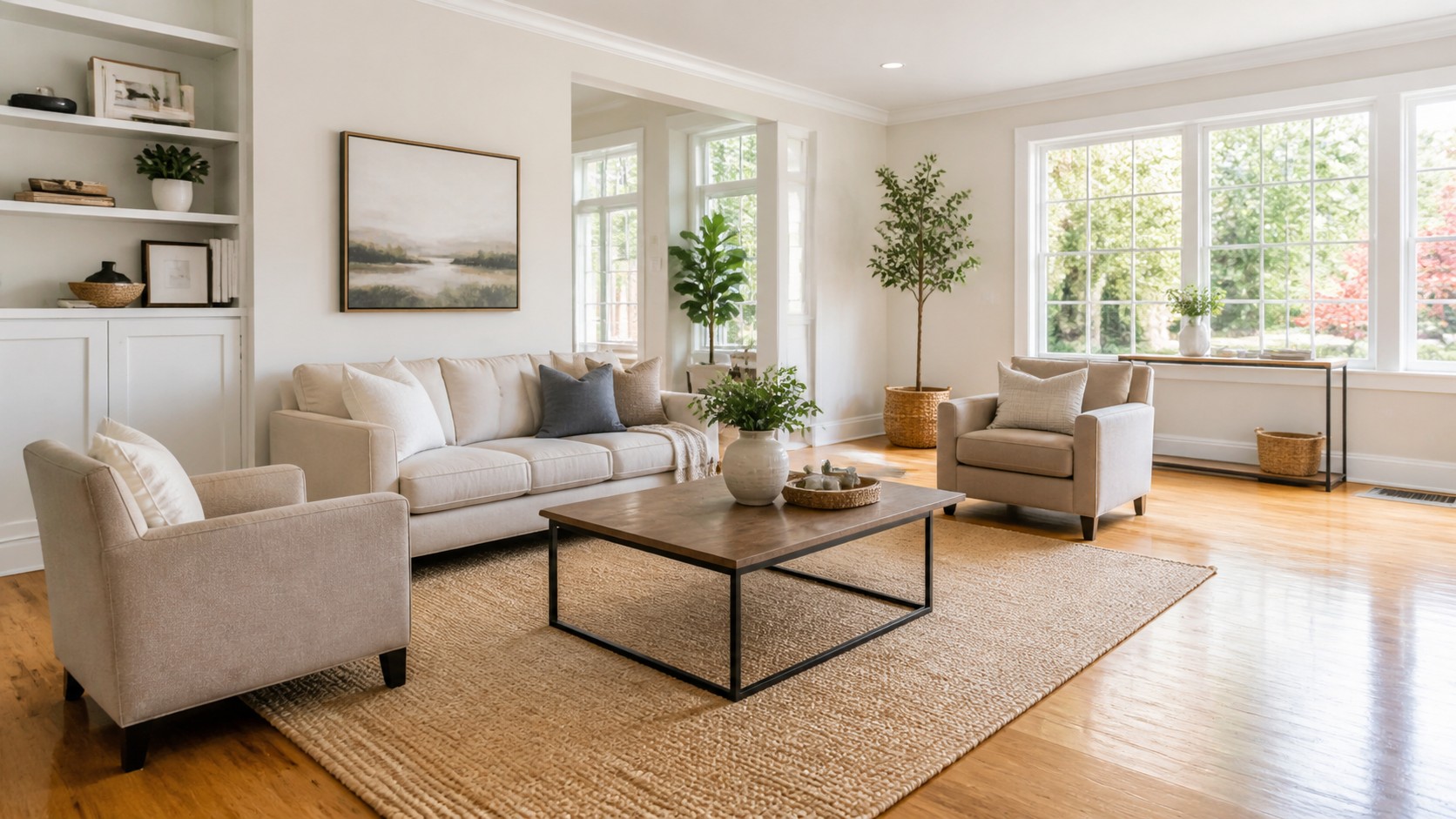
Most buyers meet a home online before they ever step inside. That means staging should begin with the camera. Rooms need clear sightlines, balanced furniture, open floor space, and enough warmth to feel inviting. Small distractions that seem harmless in person can become visual clutter in photos, especially on a phone screen.
Walk through the home with the listing photos in mind. Look at doorways, windows, counters, tabletops, cords, trash cans, pet beds, shoes, and overly busy shelves. The question is not whether the home looks lived in. The question is whether the buyer can quickly see the room.
Clean More Deeply Than You Think You Need To
Cleaning is the least glamorous staging tip and one of the most powerful. Buyers notice grime around switches, baseboards, vents, appliances, bathroom caulk, shower glass, window tracks, and cabinet hardware. Even when they cannot name every issue, they feel the difference between a home that seems cared for and one that feels tired.
A deep clean can also reduce the need for decorative fixes. Fresh surfaces, clear glass, polished fixtures, and clean floors make a home feel brighter. If the budget is limited, cleaning often beats buying accessories because it changes buyer confidence, not just appearance.
Declutter Until Storage Feels Believable
Buyers care about storage. Closets, pantries, cabinets, garages, and utility rooms should look useful rather than packed. If every shelf is full, buyers assume the home lacks space. Decluttering storage areas may feel less visible than staging the living room, but it can strongly affect buyer perception.
Aim for breathing room. Remove off-season items, duplicate kitchenware, old toiletries, extra coats, bulky bins, and anything that suggests the home is overflowing. You do not need empty closets. You need closets that imply the home works comfortably.
Make the Entry Feel Immediate and Calm
The entry is where buyers form their first in-person impression. It should be clean, bright, and easy to move through. Remove shoes, mail, umbrellas, bulky furniture, and anything that blocks the natural path. Add one simple focal point if the space allows: a mirror, a small table, a plant, or a clean mat.
Outside matters too. The path to the door, porch, hardware, lighting, and landscaping set expectations before the agent opens the lockbox. A buyer who arrives through weeds, cobwebs, peeling paint, or a dim entry starts the showing with doubt.
Use Furniture to Show Flow
Fast-selling homes often feel easy to walk through. Furniture should guide movement rather than interrupt it. Remove pieces that make buyers turn sideways, block windows, crowd doorways, or hide architectural features. If a room has several possible uses, stage the most likely one for the target buyer.
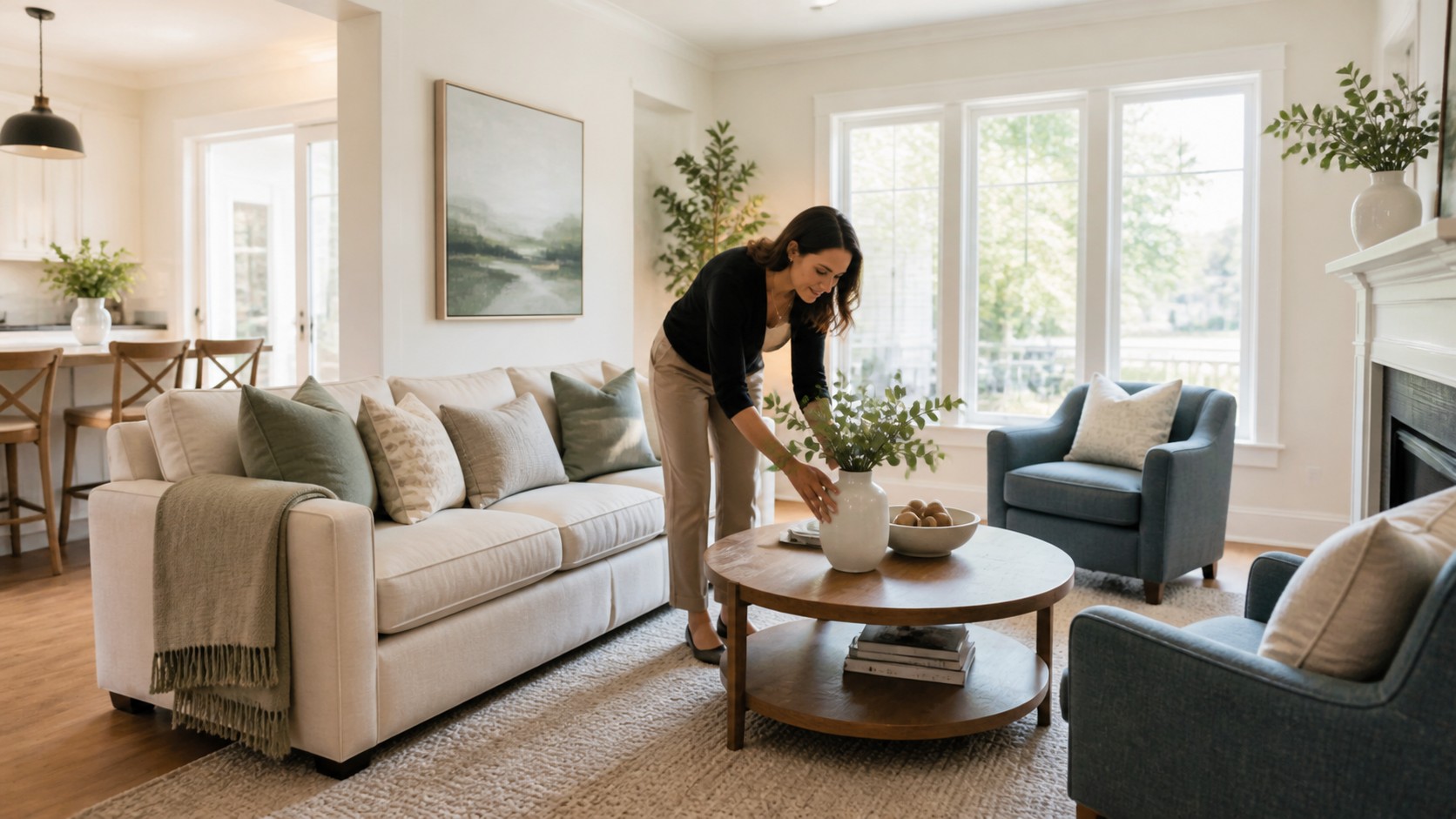
Do not assume bigger furniture makes a room feel more valuable. Oversized pieces can shrink a space visually. A lighter arrangement may make the same room feel more usable, especially in listing photos. The best furniture plan lets buyers imagine their own pieces without mentally moving yours out of the way.
Let Light Do More Work
Light affects mood, photography, and perceived cleanliness. Open window coverings, clean glass, replace burned-out bulbs, and use consistent bulb temperatures where possible. A mix of yellow, blue, and dim bulbs can make a home feel uneven. Lamps can soften rooms that rely on harsh overhead fixtures.
Natural light should be treated as a feature. If a room has good windows, do not block them with heavy furniture, dark curtains, or tall decor. If a room has limited light, use pale bedding, mirrors, lamps, and clean surfaces to prevent it from feeling forgotten.
Neutralize Without Erasing Personality
Neutral staging does not mean every room must be gray and empty. It means bold personal choices should not distract from the home. Strong paint colors, themed rooms, political items, religious displays, personal photos, hobby collections, and unusual art can pull buyers into judging the seller instead of the property.
A few warm details help the home feel human: fresh towels, textured pillows, a simple bowl, a plant, or a neatly made bed. The trick is restraint. Buyers should remember the windows, kitchen, layout, and calm feeling, not a shelf of memorable objects.
Make Kitchens and Bathrooms Feel Fresh
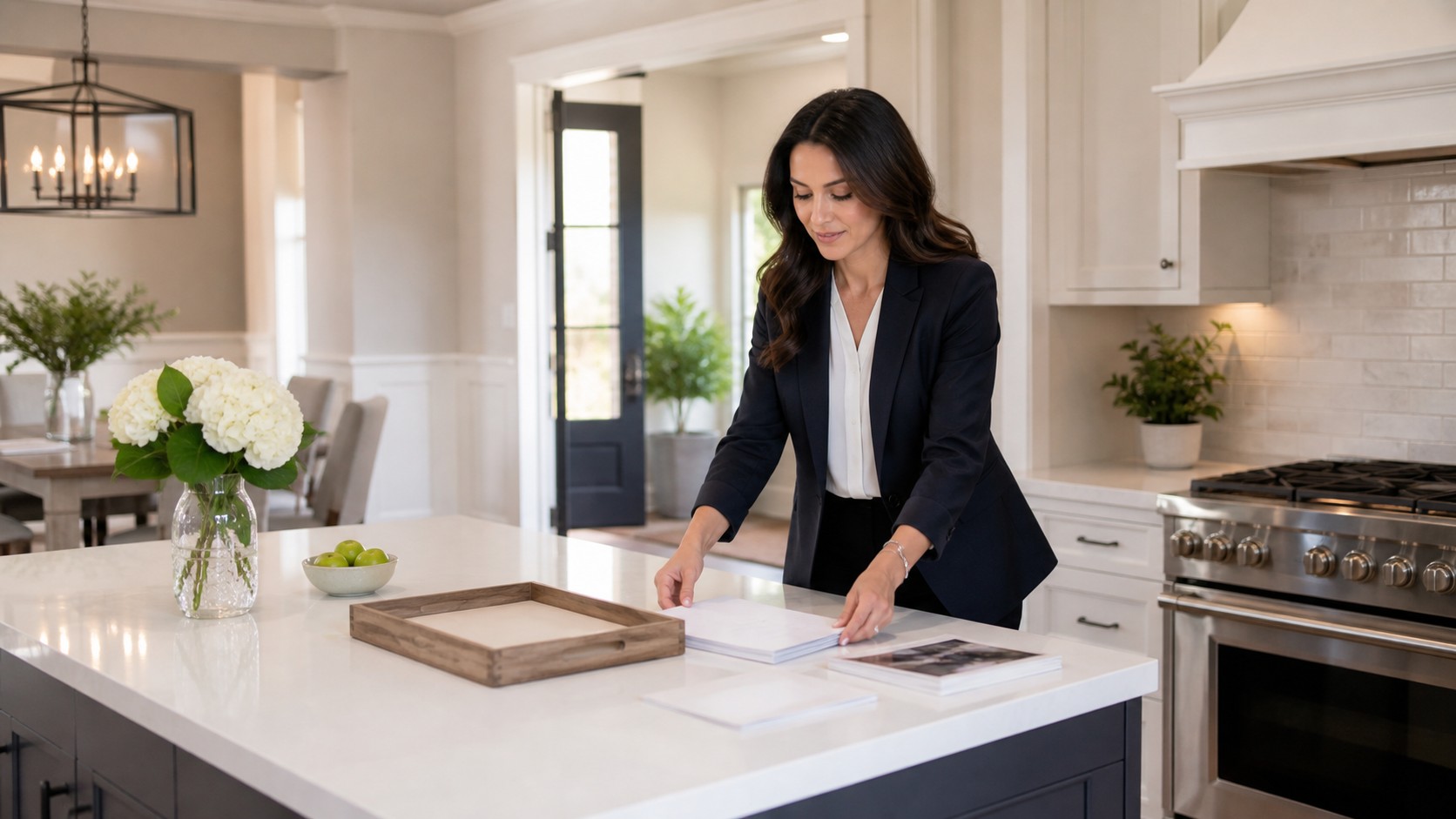
Kitchens and bathrooms carry extra weight because buyers associate them with cost, cleanliness, and daily routine. Clear counters, remove magnets and notes, hide sponges and cleaners, polish fixtures, replace worn towels, and keep trash out of sight. In the kitchen, a few intentional items are enough: perhaps a bowl, cutting board, or simple vase.
Bathrooms should feel almost hotel-clean. Personal toiletries, razors, medicine, laundry, bath mats that look tired, and crowded shower shelves should disappear before showings. Buyers know people live there, but they do not want to feel like guests in someone’s morning routine.
Control Odors Before Adding Scent
Odor can slow a sale quickly. Pet smells, smoke, mildew, cooking odors, mustiness, and overused air fresheners all create doubt. The answer is source removal: cleaning, ventilation, laundry, carpet treatment, trash control, HVAC filters, and moisture correction. Heavy fragrance often makes buyers wonder what is being covered.
A home should smell clean, not perfumed. If you use scent, keep it subtle and consistent. Fresh air, clean surfaces, and neutral fabrics do more than candles or sprays. Buyers are more comfortable when they are not thinking about smell at all.
Prepare a Repeatable Showing Routine
Staging only helps sell faster if the home stays ready. Create a pre-showing checklist: lights on, blinds open, counters cleared, beds made, laundry hidden, floors checked, pet items stored, trash removed, valuables secured, and temperature comfortable. The routine should be simple enough to complete quickly.
This routine protects momentum. If showings are hard to approve because the house is rarely ready, buyers may move on. A staged home with poor access can lose the advantage staging created. Selling faster often comes from presentation and availability working together.
Price Still Has to Match the Presentation
Staging can increase attention, but it does not make an overpriced home immune to the market. If buyers like the photos, tour the home, and still do not offer, the issue may be price, location, condition, or competition. Staging should be paired with honest feedback from showings and comparable sales.
The fastest-selling homes usually make sense on several levels at once. They are clean, clear, well photographed, easy to show, reasonably priced, and aligned with buyer expectations. Staging is one part of that larger system. Used well, it removes reasons for buyers to hesitate.
Stage for the First Thirty Seconds
Buyers often decide how they feel about a home before they have seen every room. The first thirty seconds carry a lot of weight: curb approach, entry smell, light, visible clutter, and the first main room. Staging should make that opening sequence feel calm and coherent. If buyers start with doubt, the rest of the showing has to work harder.
This does not mean hiding the home’s complexity. It means making the arrival easy. The entry should not be crowded. The first sightline should not be blocked. The main living space should have a clear purpose. Buyers should feel invited forward rather than forced to decode the home immediately.
Use Feedback to Tune the Staging
Staging is not always perfect on the first try. If buyers repeatedly ask whether a room is a bedroom or office, the staging may need to be clearer. If visitors say the home feels small, furniture scale may need adjustment. If buyers admire the decor but do not mention the home, the staging may be too attention-grabbing.
Good sellers treat feedback as data, not insult. A few small changes after the first week can improve buyer response. Moving a chair, clearing a closet, brightening a hallway, or simplifying a shelf may seem minor, but these adjustments can help the property feel more understandable.
Do Not Let Staging Create a Maintenance Burden
A staging plan that is impossible to maintain can backfire. If every showing requires an hour of frantic cleaning, the seller may decline appointments or present the home inconsistently. Faster sales come from repeatable readiness. The best staging plan fits the seller’s household, schedule, pets, children, and storage options.
For that reason, sellers should simplify before they beautify. Pack early. Remove duplicates. Create quick hiding places for daily essentials. A manageable home is easier to show, and easier showing access can matter as much as the visual design.
Make Online and In-Person Impressions Match
A common staging mistake is creating photos that oversell the in-person experience. Wide angles, perfect lighting, and heavy editing may attract clicks, but buyers become disappointed if the showing feels darker, smaller, or more cluttered than expected. The goal is not to trick buyers into visiting. The goal is to make the home’s real strengths clear.
When online and in-person impressions match, buyers trust what they are seeing. That trust can shorten decision time. A buyer who feels misled spends the showing looking for other problems. A buyer who feels the photos were accurate can focus on whether the home fits.
Use Staging to Clarify Updates
If a seller has made updates, staging should help buyers notice them. A new island, refinished floors, improved lighting, or refreshed bath can be highlighted by keeping surrounding areas simple. Too much decor can bury the improvements that actually affect value. Staging should frame the investment, not compete with it.
This is useful for older homes too. A staged room can show how historic trim, tall windows, original floors, or built-ins still work for modern living. Faster sales often come from helping buyers connect charm with practical use.
Keep Seasonal Staging Subtle
Seasonal touches can make a home feel current, but they should not dominate the listing. Heavy holiday decor, strong seasonal colors, or highly themed displays can date the photos quickly and distract buyers from permanent features. Subtle seasonal warmth is safer than a room that feels like it was staged for one weekend only.
This matters if the home may stay on the market longer than expected. Listing photos often remain online beyond the season in which they were taken. A restrained approach keeps the home from feeling stale and helps buyers focus on layout, light, and condition.
Subtle staging also travels better across different buyer tastes. The room feels current without making the buyer feel as if they are inheriting someone else’s decorative moment.
Sellers should also photograph the staged setup before daily life resumes. Those reference photos make it much easier to reset rooms before showings.