Home Staging Makes a House Easier to Understand
Home staging is the process of preparing a property so buyers can quickly understand its space, function, and appeal. It is not simply decorating, and it is not meant to hide defects. Good staging removes confusion. It helps buyers see where furniture fits, how rooms connect, what lifestyle the home supports, and why the property deserves attention in photographs and in person. For beginners, the simplest way to think about staging is this: it turns a private home into a market-ready product without stripping away warmth.
A: No. Focus on rooms that shape first impressions or confuse buyers.
A: No. Modest homes can benefit when staging improves clarity and photos.
A: Yes. Occupied staging works when routines keep the home show-ready.
A: It should not. Material issues still need honesty and disclosure.
A: Sometimes, but empty rooms often make scale and purpose harder to read.
A: Usually the seller, though arrangements vary by listing strategy.
A: It may improve demand and presentation, but pricing and market conditions still matter.
A: Usually rental, rearrangement, or selective accents are more practical.
A: Often through the listing period or until contract, depending on rental terms.
A: Start with cleaning, decluttering, and deciding what each room should communicate.
Staging Is Different From Decorating
Decorating is personal. It reflects the taste, history, hobbies, colors, art, furniture, and daily routines of the people who live in the home. Staging is strategic. It edits the home so a broad group of likely buyers can imagine themselves living there. That often means simplifying rooms, reducing visual noise, arranging furniture for flow, and using neutral but inviting pieces that photograph well.
This distinction matters because sellers sometimes resist staging when they hear it as criticism. A stager is not saying the owner’s style is wrong. The stager is asking how the home should speak to the market. A beloved reading corner, oversized sectional, or wall of family photos may work beautifully for the owner and still distract buyers from scale, light, or layout.
The Goal Is Buyer Clarity
Buyers make quick judgments, especially online. They want to understand room size, ceiling height, natural light, storage, traffic flow, and how a space might serve their life. Empty rooms can feel larger in theory, but they often photograph flat and make scale difficult to read. Crowded rooms create the opposite problem: buyers notice the belongings instead of the space.
Staging creates context. A dining area becomes visibly large enough for a table. A small bedroom becomes a nursery, office, or guest room rather than an uncertain leftover space. A long living room gets divided into conversation and media zones. The buyer no longer has to solve every room mentally before deciding whether the home is worth seeing.
Staging Begins With Editing
The first staging step is usually removal, not addition. Excess furniture, crowded shelves, personal collections, worn rugs, countertop clutter, and stacked storage can make a home feel smaller or more stressful than it is. Editing gives the architecture room to breathe. It also helps photographs look cleaner because the eye knows where to land.
Editing should be thoughtful rather than sterile. A home can become too bare if every surface is emptied and every soft detail disappears. The best staged homes still feel livable. They simply avoid making buyers feel as if they are walking through someone else’s private life.
Furniture Placement Changes Perception
Furniture placement is one of staging’s strongest tools. A sofa pushed against the wrong wall can block a window or make a room feel narrow. A bed that overwhelms a bedroom can make buyers assume the room is too small. A dining table placed awkwardly can make traffic flow feel worse than it is. Staging uses furniture to explain the best use of each space.
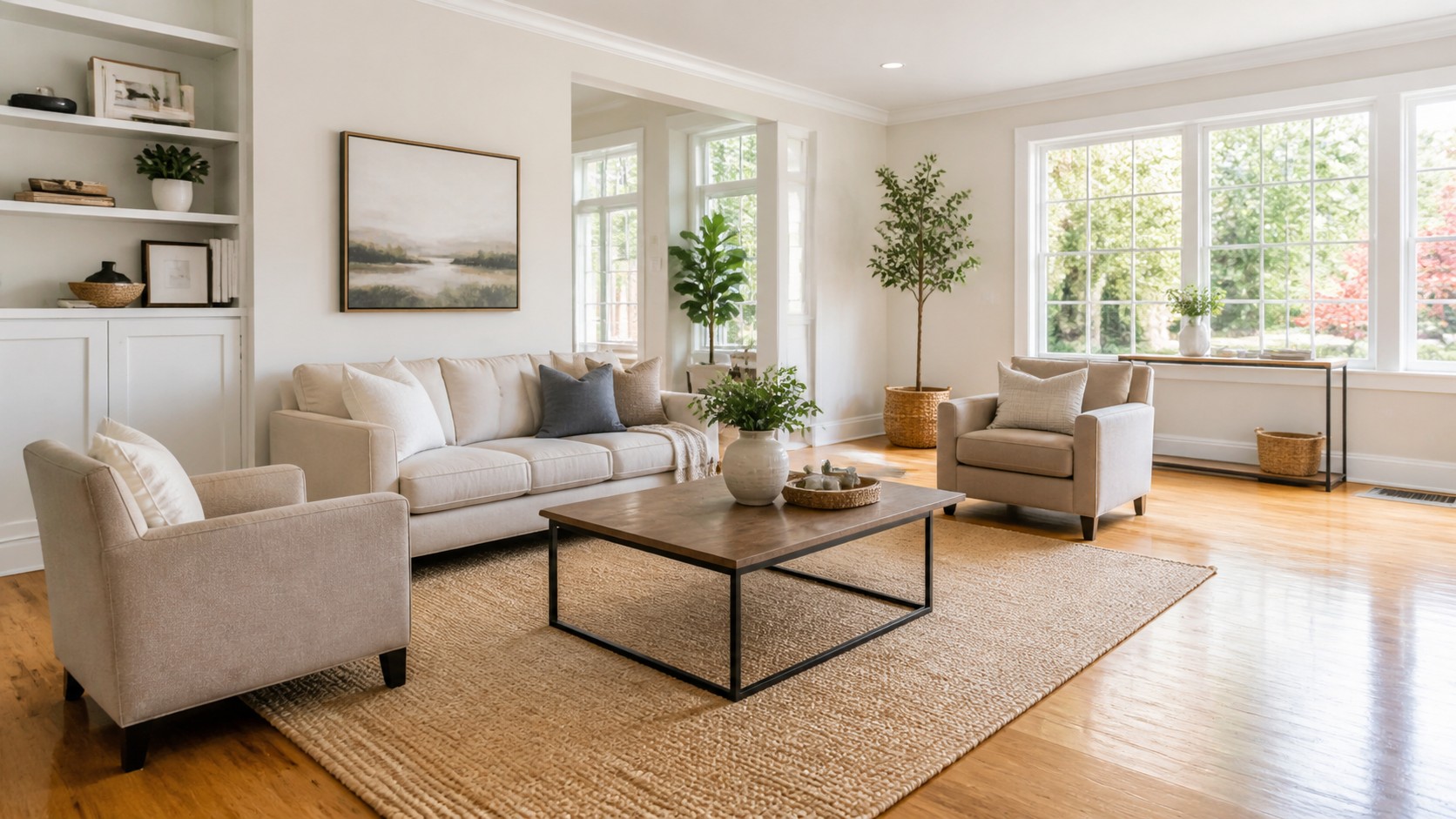
Scale is especially important. Stagers may remove bulky pieces and use lighter furniture to show movement paths. They may angle chairs to create a conversation zone or pull furniture away from walls to make a room feel intentional. These changes do not alter the square footage, but they can dramatically alter how buyers experience it.
The Most Important Rooms Usually Come First
Sellers rarely need to stage every inch with equal intensity. The highest-impact rooms are usually the entry, living room, kitchen, dining area, primary bedroom, and any space that could confuse buyers. These are the rooms that shape first impressions, online clicks, emotional response, and the sense of daily life.
Secondary bedrooms, basements, offices, patios, and bonus rooms matter when they solve a buyer question. If a basement feels like storage, staging may turn it into a media room or workout space. If a spare room is oddly shaped, staging can prove it still has a useful purpose. The rooms that need staging most are often the ones buyers might otherwise misunderstand.
Occupied Staging Works With What Is Already There
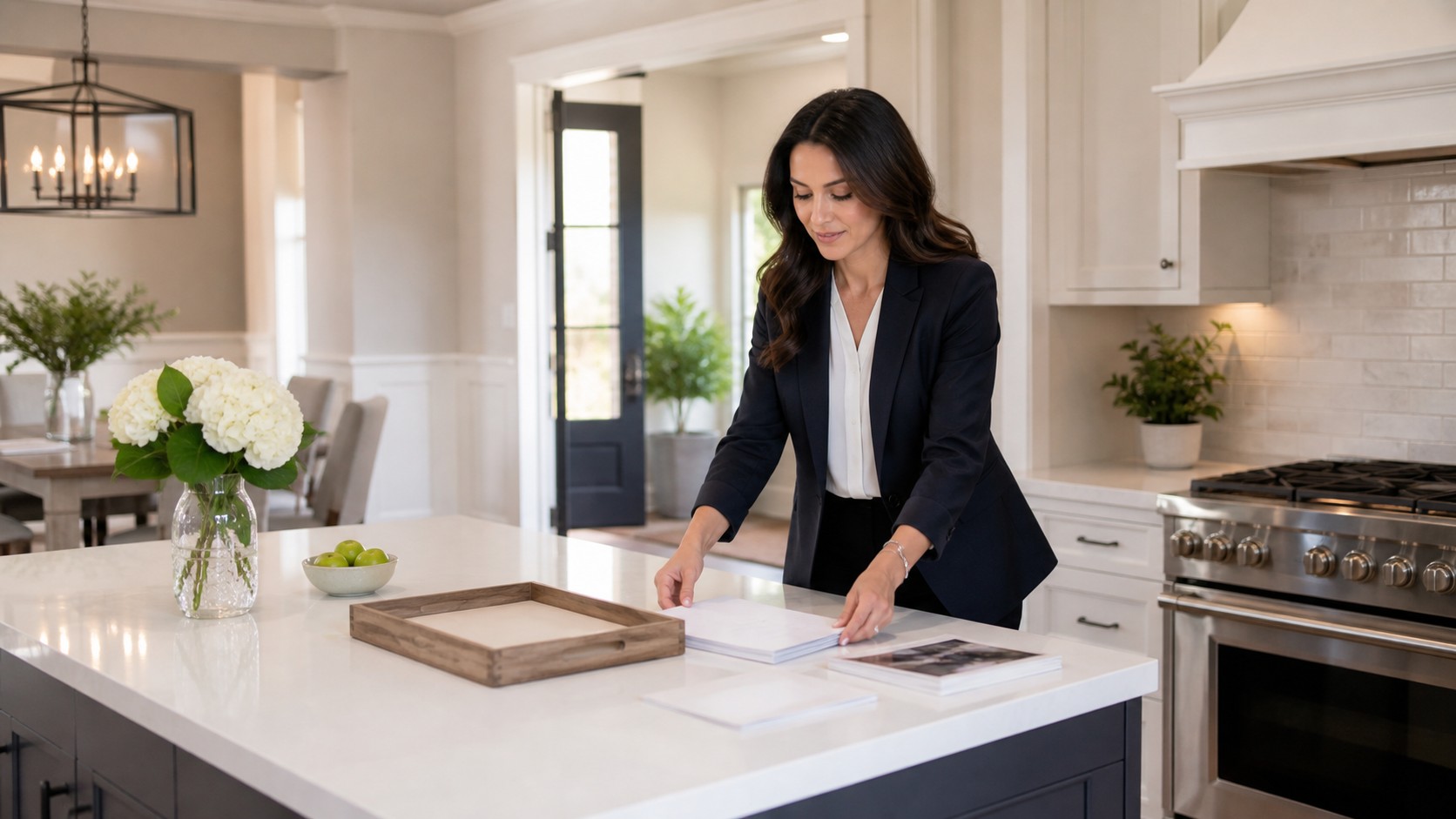
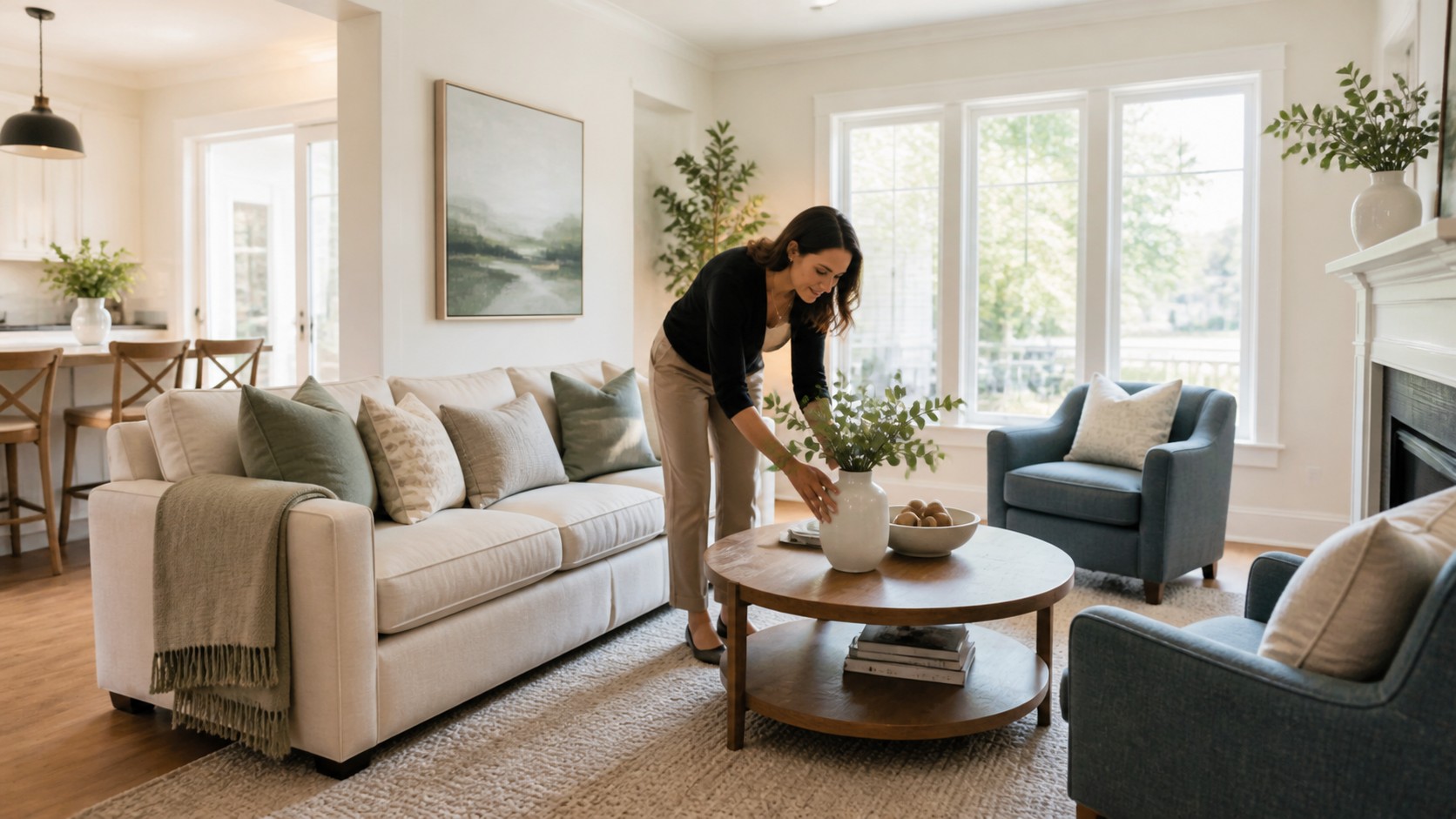
Occupied staging means the seller still lives in the home while it is listed. The stager works with existing furniture, removes some items, rearranges others, and may add accents such as pillows, lamps, bedding, towels, or art. This approach can be more affordable than full vacant staging, but it requires discipline because the home must stay show-ready during the listing period.
The challenge is daily life. Sellers need places for mail, laundry, pet supplies, shoes, chargers, toiletries, and children’s items. Occupied staging works best when the seller creates simple routines for hiding necessary belongings before showings. The staged look does not need to be perfect every day, but it needs to be repeatable quickly.
Vacant Staging Gives Empty Homes a Story
Vacant homes can feel cold, echoey, or uncertain. Buyers may focus on every scuff because there is nothing else to notice. They may also struggle with scale, especially in open layouts or rooms without obvious furniture walls. Vacant staging adds proportion, warmth, and purpose.
Full vacant staging can be expensive, so many sellers use partial staging. A staged living room, dining area, primary bedroom, and entry can be enough to create the emotional frame. The goal is not to fill the house like a furniture showroom. It is to show buyers how the home lives.
Staging Should Not Hide Problems
Ethical staging highlights strengths without concealing material defects. A rug should not be used to hide floor damage that must be disclosed. Furniture should not block water stains, access panels, or safety concerns. Buyers may discover concealed problems during inspection, and the seller’s credibility can suffer.
Good staging works alongside honest preparation. Repairs, cleaning, lighting, odor control, landscaping, and disclosure matter. Staging can make a prepared home shine, but it cannot turn a neglected property into a sound one by appearance alone.
Cost Depends on Scope and Market
Staging costs vary widely based on location, property size, rental furniture, labor, consultation-only service, occupied staging, partial vacant staging, and the length of the listing. A consultation may be relatively modest. A large vacant luxury home staged for several months can cost much more. Sellers should compare staging cost with likely impact on photographs, showing activity, days on market, and buyer confidence.
The decision is not always yes or no. Sometimes cleaning, decluttering, paint, lighting, and furniture rearrangement are enough. Sometimes professional staging is worth it because the home is vacant, awkward, high-value, or competing against polished listings. The right choice depends on the property and the buyer pool.
Staging Is a Marketing Tool, Not Magic
Home staging can help a property make a stronger first impression, but it cannot overcome every pricing mistake, location issue, inspection problem, or market slowdown. Sellers should not use staging as an excuse to overprice. The best results happen when staging, pricing, photography, repairs, and access all work together.
For beginners, the takeaway is simple: staging is the art of reducing buyer friction. It makes rooms easier to read, photographs more compelling, and showings more memorable. When done well, it helps buyers focus on the home instead of the seller’s belongings, and that clarity can make the entire selling process smoother.
Staging Should Match the Likely Buyer
A staged home should not be generic in the sense of ignoring the buyer pool. A downtown condo, suburban family home, rural retreat, and luxury listing may all need different staging choices. The likely buyer affects furniture scale, room purpose, outdoor presentation, and which lifestyle cues feel believable. A nursery may help in one market, while a compact office may be more useful in another.
This is where the listing agent and stager should work together. The agent understands buyer feedback and local competition. The stager understands visual presentation and spatial clarity. When those perspectives meet, staging becomes more than attractive furniture. It becomes a market-specific explanation of why the home works.
Sellers Need a Plan for Daily Living
Beginners often imagine staging as a one-time setup, but occupied homes require daily maintenance. A seller may need bins for quick clutter removal, a laundry plan, a bathroom reset routine, and a rule for kitchen counters before every showing. The easier the routine, the more likely the home stays ready without exhausting the household.
This practical side matters because inconsistent presentation can weaken buyer response. A home that looked excellent in photos but feels messy in person creates disappointment. A staged home should deliver on the promise the listing made online. That means planning for real life, not pretending real life stops during the listing period.
Staging Can Influence Buyer Confidence
Staging does not only create beauty. It can create confidence. When buyers see clean surfaces, logical rooms, good light, open pathways, and visible storage, they feel less work is required to understand the home. That comfort can make them stay longer, ask better questions, and remember the property more favorably after touring several homes.
Confidence is especially important when buyers are comparing similar listings. If two homes have comparable price and location, the one that feels easier to imagine may get more attention. Staging helps by making the buyer’s mental work lighter. The house feels less like a puzzle and more like a possible next step.
Small Details Should Support the Room, Not Compete With It
The finishing touches in a staged home should direct attention back to the property. Pillows, throws, plants, books, towels, and table settings can add warmth, but they should not become the main event. When buyers talk more about the accessories than the room, the staging may be too busy. The best details make the home feel cared for without demanding analysis.
This is especially true in listing photos. A camera flattens space and can make small objects feel louder than they do in person. Before photos, sellers should step back and ask whether each visible object helps the buyer understand scale, light, or use. If it does not, it may be better packed away.
Staging Also Prepares the Seller Emotionally
Selling a home requires a shift from living in it to presenting it. Staging can help sellers make that shift. Packing personal items, simplifying rooms, and changing furniture placement may feel strange, but it reminds the seller that the home is entering the market. That emotional distance can make showings, feedback, and negotiation easier.
A seller who has already begun letting go may respond more calmly when buyers critique paint, layout, or repairs. Staging is not only for buyers. It can help sellers stop defending every personal choice and start thinking like market participants.
That shift is useful when feedback arrives. Instead of hearing criticism of their life, sellers can hear information about how the market is reading the product. Staging creates that separation and makes the next decision easier.
The best staged homes leave buyers talking about space, light, layout, and condition. The staging has done its job when it becomes almost invisible.