An Open House Works Best When It Feels Effortless
A good open house rarely happens by accident. Buyers may experience it as a casual walk-through, but the seller and agent have already handled cleaning, staging, access, safety, lighting, traffic flow, marketing, and follow-up. Preparation matters because buyers make fast judgments when several people are moving through the same home. The goal is to make the property feel easy to enter, easy to understand, and easy to discuss afterward.
A: Usually no. Buyers speak more freely when sellers are absent.
A: Your agent can decide based on local practice and property complexity.
A: Remove them from the home and clean visible pet evidence.
A: Cleaner than daily living; buyers notice care signals quickly.
A: Use enough lighting to make rooms feel bright and natural.
A: No. Secure them outside the home or in a safer location.
A: Prepare mats, lighting, temperature, and entry cleaning accordingly.
A: Timing varies by market, but it should fit local buyer habits.
A: Look for repeated patterns from serious visitors and agents.
A: Yes, but it also serves exposure, feedback, and momentum.
Step 1: Confirm the Purpose of the Open House
Not every open house has the same purpose. Sometimes the goal is broad exposure in the first weekend. Sometimes it is to reintroduce a listing after a price change. Sometimes it gives neighbors and casual shoppers a low-pressure way to share the home with serious buyers. The preparation should match the purpose.
Ask your agent what success looks like. Is the goal high attendance, feedback, offers, or visibility? A clear purpose helps decide timing, marketing, signage, staging intensity, and whether private showings should be encouraged before or after the event.
Step 2: Choose the Right Date and Time
Timing should reflect local buyer habits, competing events, weather, traffic, school schedules, and the listing launch plan. Weekend afternoons are common, but not always best. Some markets respond well to broker opens, twilight opens, or open houses shortly after professional photos go live.
Avoid scheduling without checking the broader context. A holiday weekend, local festival, major weather event, or competing neighborhood open house can affect turnout. The best time is the one that gives likely buyers a realistic chance to attend.
Step 3: Deep Clean Before You Stage
Cleaning should happen before final staging because dust, smudges, odors, and grime undercut every visual improvement. Focus on floors, windows, counters, appliances, bathrooms, baseboards, vents, mirrors, doors, and light switches. Buyers may not inspect every corner during an open house, but they feel whether the home has been cared for.
If the home is occupied, plan the cleaning close enough to the event that daily life does not undo the work. Bathrooms and kitchens may need a same-day touch-up. Entry floors may need attention if weather is poor. Cleanliness is the foundation of buyer comfort.
Step 4: Stage the Main Path Buyers Will Walk
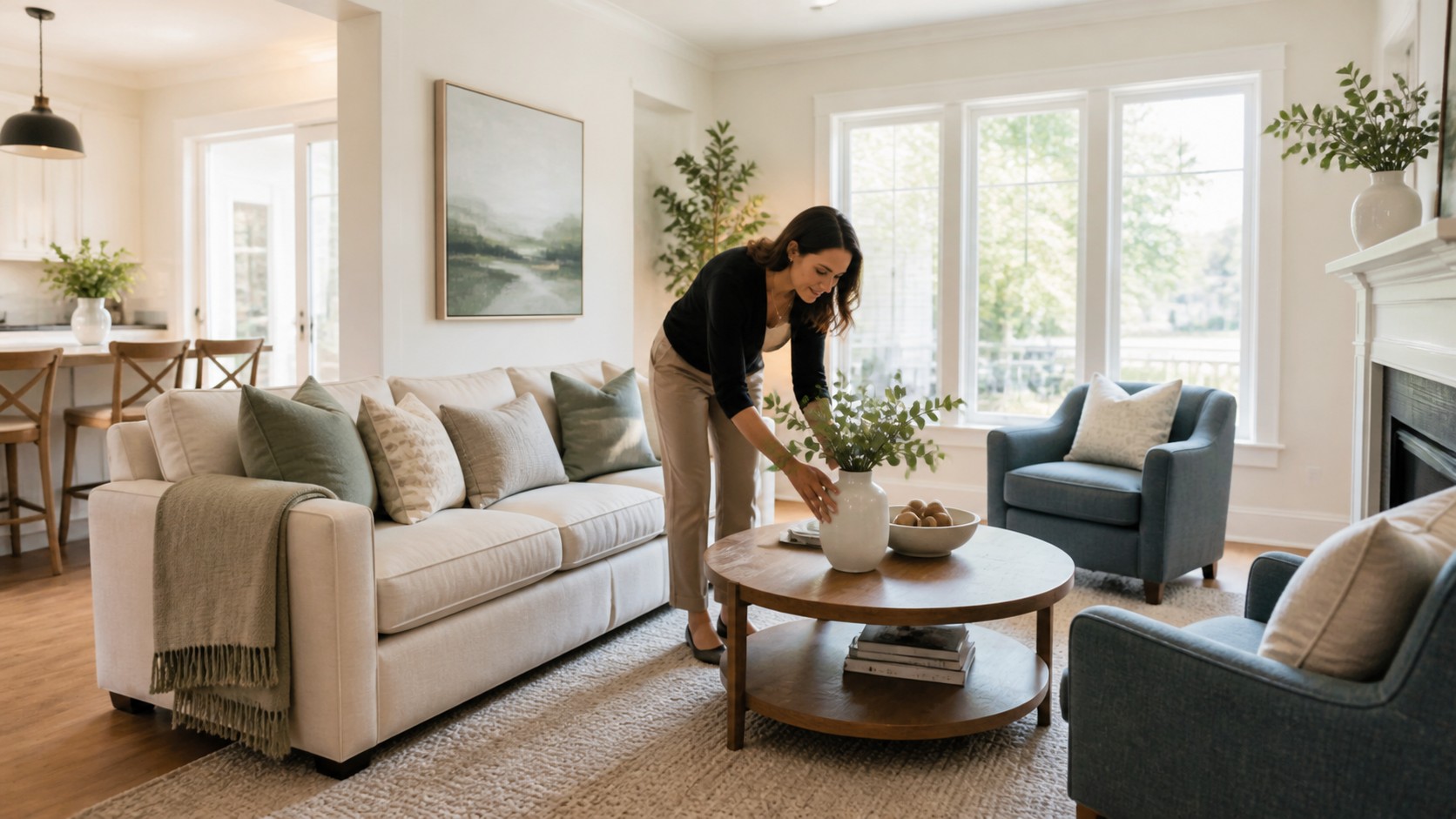
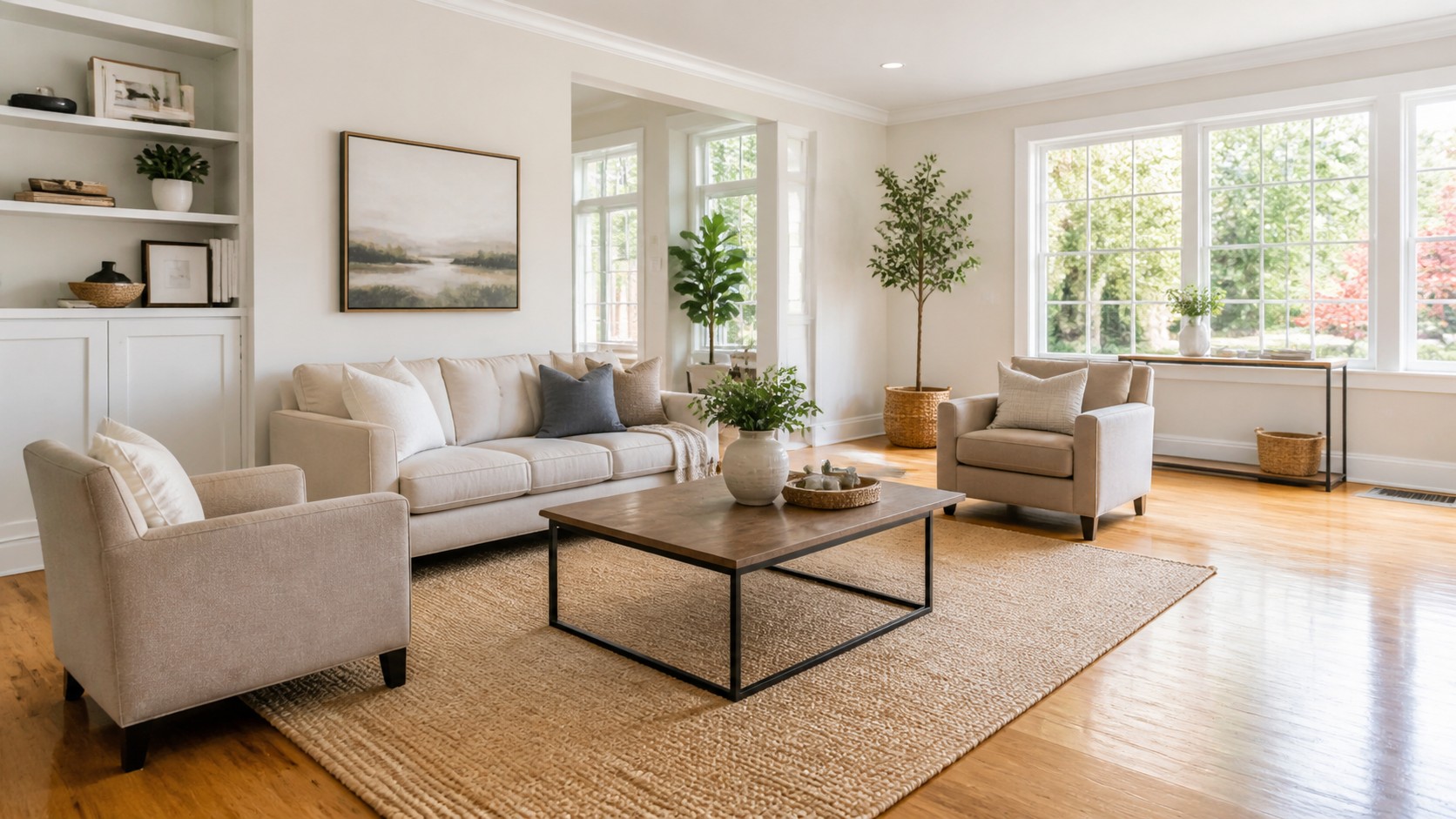
Open house visitors usually follow a path: entry, main living area, kitchen, bedrooms, bathrooms, outdoor space, and any standout feature. Prepare that path so each turn makes sense. Remove furniture or objects that block movement. Open doors to rooms you want buyers to enter. Close or label areas that should remain private only if your agent recommends it.
A crowded open house makes flow more important. Buyers should not feel trapped in tight hallways or uncertain about where to go next. Simple staging, clear sightlines, and uncluttered surfaces help the home handle traffic without feeling chaotic.
Step 5: Protect Privacy and Valuables
An open house invites strangers into the property, so privacy and security need attention. Remove or secure jewelry, medicine, financial papers, checkbooks, passports, devices, mail, keys, collectibles, firearms, and anything personally sensitive. Do not assume a drawer or closet is private. Buyers open storage areas because storage is part of the house.
Also consider family photos, children’s names, calendars, school information, and work documents. Open houses are public marketing events. The home should be welcoming, but the seller’s private life should not be on display.
Step 6: Prepare Pets and Odors
Pets should usually leave the home during an open house. Even friendly pets can distract buyers, create liability concerns, or make some visitors uncomfortable. Remove bowls, beds, litter boxes, toys, leashes, and visible pet hair where possible. Clean odor sources rather than masking them with heavy fragrance.
Fresh air, clean fabrics, vacuumed floors, and washed pet areas do more than sprays. If pet evidence remains, buyers may wonder about carpet, allergens, or hidden damage. The goal is not to deny that pets live there; it is to prevent pets from becoming the main thing buyers remember.
Step 7: Set Lighting, Temperature, and Sound
Before the doors open, turn on appropriate lights, open window coverings, and set a comfortable temperature. A home that is too hot, cold, dark, or stuffy makes buyers leave faster. Lighting should feel natural and consistent, not theatrical. Replace burned-out bulbs before the event.
Sound should be handled carefully. Some agents prefer quiet. Others may use very soft background music. Avoid television, loud speakers, or anything that makes visitors feel they are intruding. Buyers need enough quiet to think and talk with their agent.
Step 8: Make Information Easy but Not Overwhelming
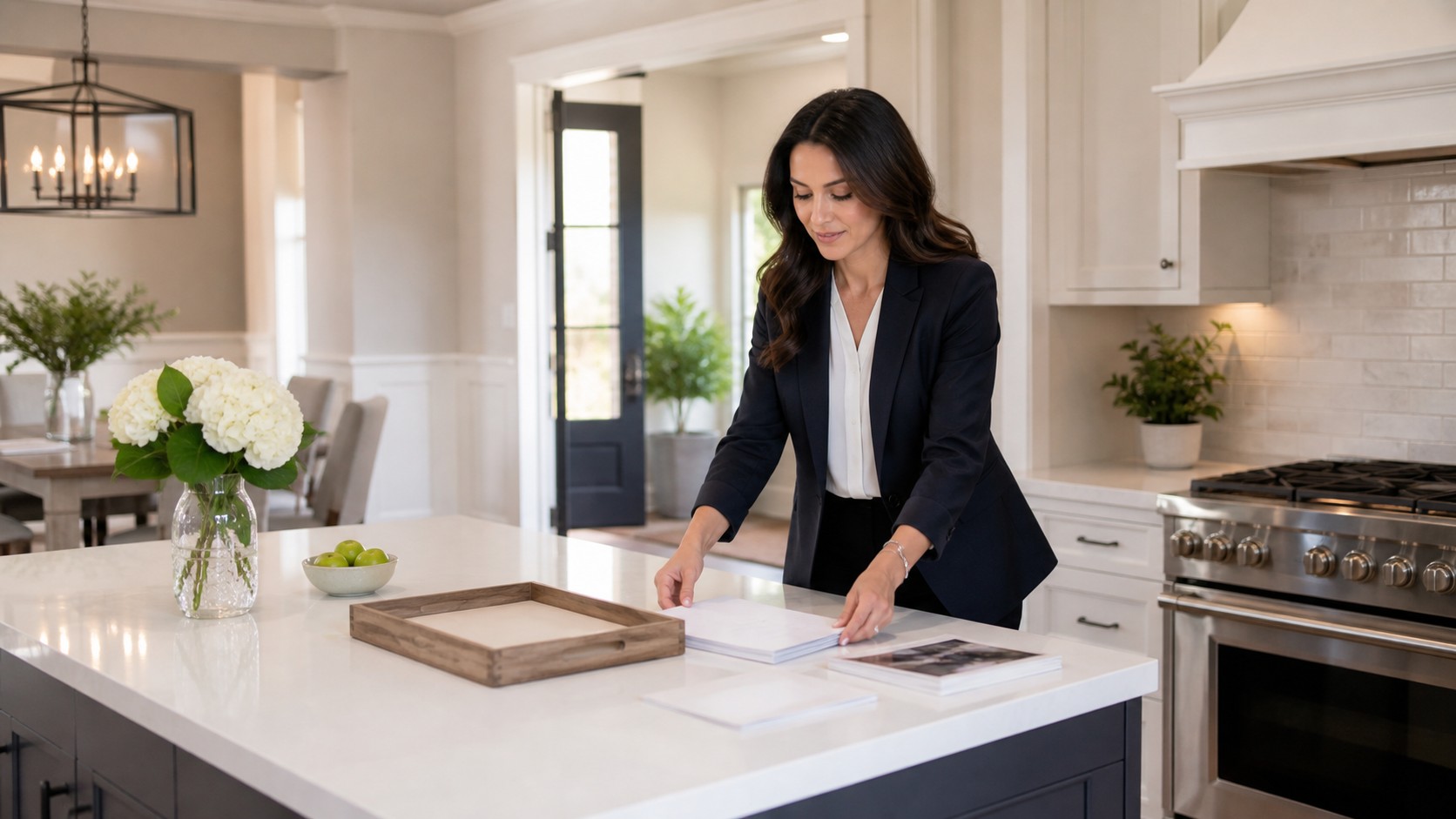
Buyers may want basic information: property features, updates, utility highlights, association details, floor plans, disclosures, offer instructions, or neighborhood notes. Your agent can decide what should be available and what should be handled through follow-up. Too much paperwork can clutter the experience; too little can leave common questions unanswered.
Any printed materials should be accurate, clean, and free of personal information. If documents are displayed, they should not include private seller data. The agent should be ready to answer questions or direct buyers to the proper source.
Step 9: Leave Before Visitors Arrive
Sellers should almost always leave during an open house. Buyers feel more comfortable opening closets, discussing concerns, and imagining the home without the owner nearby. A seller’s presence can make visitors polite but less honest, which weakens feedback and can reduce engagement.
Plan where you will go before the event starts. Take pets, essentials, and anything needed for the day. Return only after the agent confirms the open house is over and the home is secure. A smooth seller exit helps the event feel professional.
Step 10: Review Feedback Quickly
After the open house, feedback should be reviewed while impressions are fresh. Attendance, buyer comments, repeated objections, questions, and agent observations can reveal whether the listing is landing correctly. One negative comment may not matter. Repeated confusion about price, layout, condition, or room use deserves attention.
Follow-up matters too. Serious visitors may need disclosures, private second showings, lender conversations, or answers to specific questions. The open house is not the end of marketing. It is a feedback and momentum event that should feed the next decision.
Step 11: Adjust Before the Next Showing Window
If feedback identifies a fixable issue, act quickly. Maybe a room needs clearer staging, a light is too dim, an odor remains, a closet looks crowded, or buyers keep missing a feature. Small adjustments between the open house and the next round of showings can improve results.
Open house preparation is not about perfection. It is about reducing distractions and giving buyers enough comfort to take the property seriously. A well-prepared open house lets the home, not the seller’s clutter or logistics, become the focus.
Step 12: Coordinate With Private Showings
An open house should fit into the broader showing plan. Some serious buyers prefer private tours before or after the event. Others may attend the open house first and request a second look later. The seller and agent should decide how to handle overlapping interest, offer timing, and follow-up so the event supports momentum instead of creating confusion.
If the listing is new and demand is strong, the agent may use the open house to concentrate attention. If the listing has been active for a while, the open house may be more about fresh exposure and feedback. The strategy affects how quickly the agent follows up and how the seller interprets turnout.
Step 13: Prepare for Weather and Wear
Open houses bring foot traffic, and foot traffic can bring weather inside. Rain, snow, mud, heat, or wind can change the setup. Sellers may need mats, shoe guidance according to local custom, extra entry cleaning, adjusted temperature, and a plan for wet umbrellas or coats. These details protect the home and keep visitors comfortable.
Wear also matters. Fragile decor, pale rugs in high-traffic paths, loose cords, and delicate items should be removed or repositioned. An open house should feel welcoming, but it is still a public event. Durable staging makes the day easier for everyone.
Step 14: Keep Seller Expectations Grounded
A busy open house is encouraging, but traffic alone does not guarantee offers. Some visitors are neighbors, early-stage buyers, design browsers, or people comparing neighborhoods. A quiet open house is not always failure either, especially if the right buyer schedules privately. The agent should help the seller read the quality of attention, not only the headcount.
The best feedback combines attendance, visitor behavior, agent comments, online activity, showing requests, and offer movement. Open house preparation gets buyers in the door and gives the home its best chance. The market still decides how strongly buyers respond.
Step 15: Make the Home Easy to Remember
Buyers may see several homes in one day. An open house should leave them with a clear memory of the property’s strongest features. That could be morning light in the kitchen, a calm primary suite, a flexible finished basement, a private yard, or a smart layout. Staging and agent comments should reinforce those strengths without sounding scripted.
This memory work matters after the buyer leaves. Later, when they compare homes, they may not remember every measurement or finish. They remember how the home felt and which features stood out. A prepared open house helps the right details survive that comparison.
Step 16: Reset Immediately After the Event
After the open house, the home should be checked before normal life resumes. Look for lights left on, doors unlocked, moved items, scuffed floors, open windows, misplaced brochures, or visitor debris. The agent may handle part of this, but sellers should still have a reset plan.
A quick reset protects the home and prepares it for the next showing. It also gives the seller a moment to separate event energy from market reality. One open house is information, not a final verdict.
Step 17: Decide What Happens If an Offer Arrives
A seller should know the response plan before the open house begins. If an offer comes in quickly, will the seller review it immediately, wait for other scheduled showings, set an offer deadline, or counter right away? The answer depends on market conditions, pricing strategy, and the strength of the offer.
Thinking through this in advance prevents rushed decisions. A strong open house can create excitement, but excitement should not replace analysis. The seller still needs to compare price, financing, contingencies, timing, and certainty.
The agent’s role is to turn open house activity into a clear next step. That may mean encouraging a strong buyer, adjusting presentation, or simply continuing the marketing plan with better information.
That clarity protects sellers from reading too much into one busy afternoon or one quiet event. The open house should feed the strategy, not replace it.
A prepared seller can then respond with patience. The event becomes one useful checkpoint inside the larger marketing timeline, not a verdict on the property’s entire future. That perspective keeps decisions steadier when feedback feels mixed or incomplete after visitors leave too.