Exploring the Timeless Character of Classic Design and the Bold Vision of Contemporary Living
Architecture tells the story of human civilization. Long before a single word was written in a history book, buildings quietly documented how people lived, what they valued, what materials they trusted, and how they imagined the future. Every archway, every timber beam, every pane of glass, and every carefully placed stone carries a message from the era that created it. Among the most fascinating conversations in architecture is the ongoing comparison between traditional and modern design. One celebrates heritage, craftsmanship, ornamentation, and the comfort of familiar forms. The other embraces innovation, clean lines, open space, technology, and a willingness to redefine how people experience the built environment. When buyers search for homes, when developers plan communities, when architects sketch their first concepts, and when designers imagine spaces that inspire, one question continues to surface: what truly separates traditional architecture from modern architecture? The answer is far deeper than appearance alone. Traditional and modern architecture reflect entirely different philosophies about beauty, function, materials, lifestyle, and even the role of a building in society. Understanding these differences can transform the way you see homes, offices, public spaces, and entire neighborhoods. It can also help homeowners, investors, builders, and design enthusiasts make smarter decisions about the spaces they create or inhabit. So what exactly sets traditional architecture apart from modern architecture? The answer lies in history, craftsmanship, technology, culture, and the ever-evolving definition of what “home” really means.
A: Traditional architecture looks to history, ornament, and craftsmanship, while modern architecture emphasizes simplicity, function, openness, and innovation.
A: No. Many new homes are built in traditional styles using modern construction methods and updated interiors.
A: Not exactly. Modern architecture refers to a design movement, while contemporary architecture means architecture being designed today.
A: The better resale choice depends on location, build quality, layout, condition, and buyer demand in the local market.
A: Sometimes, but large glass, flat roofs, specialty materials, and advanced systems can require careful maintenance.
A: They can be, especially when repairs involve custom millwork, historic masonry, plaster, or period-accurate materials.
A: Yes. Transitional design, modern farmhouse, updated historic homes, and classic exteriors with modern interiors are all popular blends.
A: Traditional homes often feel warmer because of wood, texture, detail, and enclosed rooms, but modern homes can feel warm with natural materials and soft lighting.
A: Modern architecture often prioritizes large windows and open layouts, but traditional homes can also be bright when thoughtfully updated.
A: Focus on layout, condition, location, construction quality, maintenance needs, and whether the style fits your lifestyle.
The Origins of Traditional Architecture
Traditional architecture is deeply rooted in history. It evolved over centuries, shaped by local climate, available materials, regional customs, and cultural identity. Before industrialization, buildings were designed based on what communities could produce by hand and what had proven reliable over generations.
Stone cottages in rural Europe, adobe homes in desert regions, colonial houses in North America, timber-framed farmhouses, Mediterranean villas, and ornate Victorian residences all fall under the broad umbrella of traditional architecture. Though styles vary dramatically from region to region, they share common themes—craftsmanship, permanence, proportion, and a strong connection to cultural heritage.
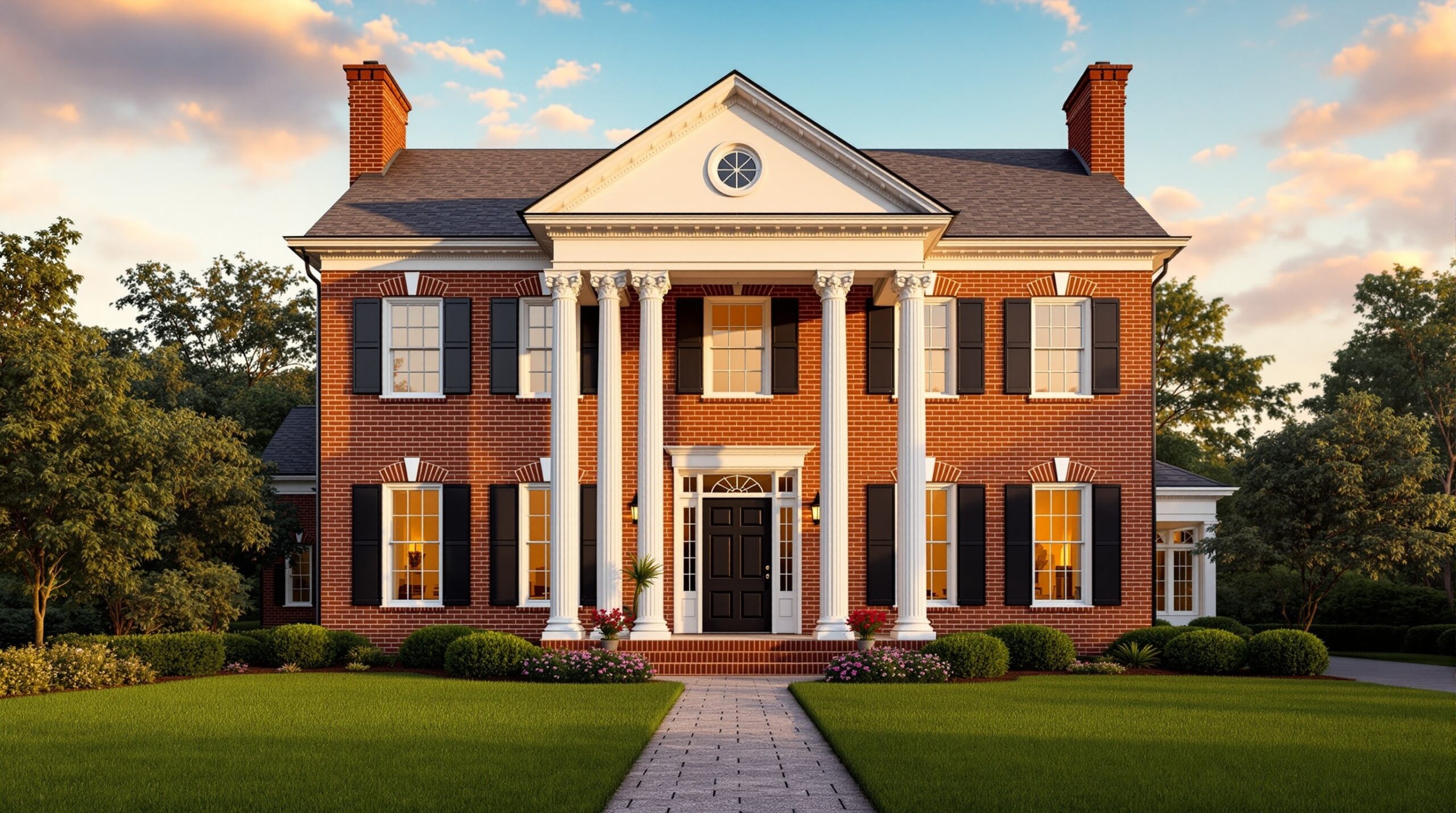
Traditional buildings often feel familiar, even comforting. Their forms are recognizable because they are based on design principles that have endured for centuries. Symmetry, balanced proportions, pitched roofs, decorative moldings, shutters, columns, and detailed trim all contribute to a sense of timelessness.
These structures were not created to chase trends. They were built to last, to shelter families, and to represent stability. That sense of permanence remains one of traditional architecture’s most powerful appeals today.
The Rise of Modern Architecture
Modern architecture emerged as a response to changing times. As the Industrial Revolution introduced steel, reinforced concrete, and large-scale glass production, architects began asking an entirely new question: what if buildings didn’t need to look like the past?
By the early twentieth century, architects such as Frank Lloyd Wright, Le Corbusier, and Ludwig Mies van der Rohe were challenging centuries of architectural convention.
- Instead of ornate decoration, they focused on function.
- Instead of historical imitation, they pursued innovation.
- Instead of compartmentalized rooms, they envisioned flowing spaces.
Modern architecture became defined by a simple but revolutionary principle: form follows function. Every line, every material, every opening, and every structural element had a purpose. Decorative excess was stripped away in favor of clarity, efficiency, and honesty in design.
This movement transformed not only homes but also skyscrapers, museums, schools, offices, and urban planning itself. Today, modern architecture continues evolving through minimalism, sustainable design, smart technology, and experimental materials.
Visual Identity: First Impressions Matter
Perhaps the most obvious difference between traditional and modern architecture is how they look. Traditional architecture often features visual richness. Rooflines may include gables, dormers, chimneys, and layered shapes. Windows may be framed with shutters or decorative trim. Entryways often feel ceremonial, with columns, arches, lanterns, and carefully crafted doors.
Textures play a major role. Brick, stone, wood siding, stucco, slate, and handcrafted details create depth and warmth. Traditional homes often feel inviting before you even step inside.
Modern architecture creates a very different first impression.
- The lines are clean.
- The shapes are bold.
- The geometry is intentional.
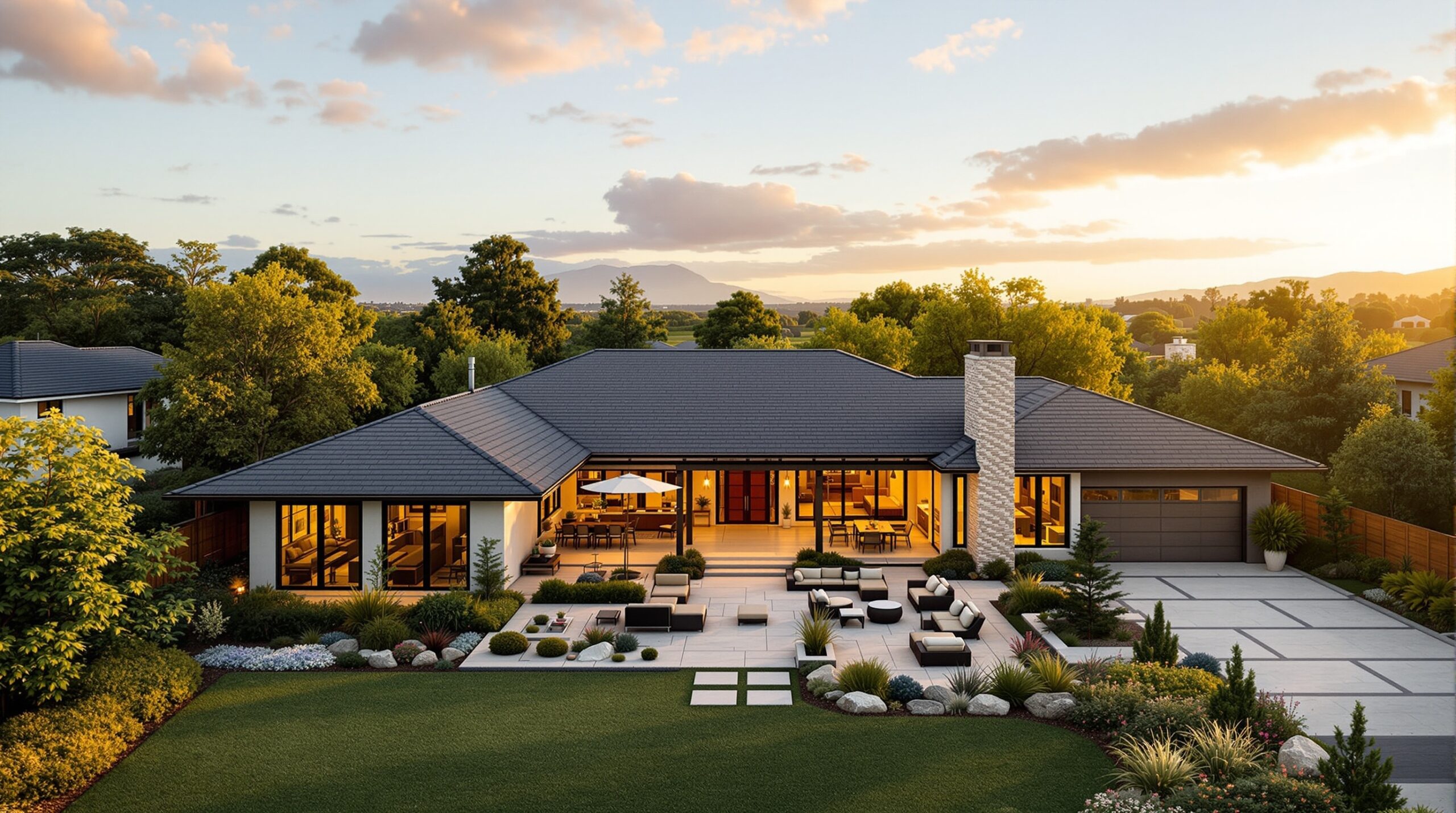
Large windows replace small divided panes. Flat or low-pitched roofs replace dramatic rooflines. Ornamentation disappears in favor of pure form.
Materials such as glass, steel, concrete, and smooth wood panels dominate the visual language. Rather than telling a story through decorative detail, modern architecture communicates confidence through simplicity. Where traditional architecture whispers history, modern architecture often speaks of possibility.
Materials That Define the Style
Materials tell you almost everything about an architectural philosophy.
Traditional architecture typically relies on materials associated with durability, familiarity, and regional availability. Natural stone, brick, hardwood, clay tile, plaster, and handcrafted metalwork are common.
These materials age visibly, often becoming more beautiful over time. Patina, weathering, and subtle imperfections contribute to character. A century-old brick façade doesn’t look outdated. It looks established.
Traditional buildings often celebrate material texture. Rough-cut stone, exposed timber beams, carved wood trim, and hand-laid masonry create a sense of craftsmanship that machine production rarely replicates.
Modern architecture takes a different approach. Industrial materials became central to modern design. Steel allowed longer spans and thinner structural supports. Reinforced concrete enabled bold shapes. Large sheets of glass transformed walls into transparent surfaces.
Today’s modern homes may incorporate engineered wood, composite panels, aluminum, polished concrete, and energy-efficient glazing.
Rather than emphasizing handcrafted imperfection, modern architecture often celebrates precision.
- Smooth surfaces.
- Sharp edges.
- Crisp transitions.
- Every material feels intentional.
Floor Plans and Interior Experience
The experience inside a traditional home is often very different from that of a modern one.
Traditional architecture tends to organize rooms according to specific purposes.
Formal dining rooms, dedicated living rooms, libraries, breakfast nooks, parlors, and clearly defined bedrooms all reflect a structured approach to daily life. Hallways separate spaces. Doors create privacy. Walls establish boundaries. This arrangement can create a sense of coziness, intimacy, and order.
Modern architecture challenges these boundaries.
Open floor plans became one of modern design’s most recognizable features. Kitchens flow into living spaces. Dining areas merge with entertainment zones. Large windows blur the distinction between indoors and outdoors. Rather than compartmentalizing life, modern architecture encourages fluidity. Families can cook, work, entertain, and relax within interconnected spaces.
Natural light becomes a design feature rather than an afterthought. In many modern homes, the interior feels larger not because of square footage, but because space is uninterrupted.
Ornamentation Versus Minimalism
Traditional architecture often embraces decoration.
- Crown molding.
- Wainscoting.
- Detailed staircases.
- Carved mantels.
- Patterned flooring.
- Decorative columns.
These elements add personality and visual storytelling. They communicate craftsmanship and often reflect historical influences.
Modern architecture takes the opposite approach. Minimalism is not about emptiness. It is about intentionality. If a feature does not serve a purpose, it may not be included.
- Walls remain clean.
- Transitions stay simple.
- Details are subtle.
- Hardware may disappear into cabinetry.
- Lighting may be recessed.
- Storage may be hidden.
This restraint creates visual calm and places emphasis on space, light, and proportion.
Relationship With Nature
Traditional architecture often acknowledges the surrounding environment through regional adaptation.
- Steep roofs shed snow.
- Deep porches provide shade.
- Thick masonry walls regulate temperature.
- Courtyards create airflow.
These solutions evolved through generations of observation.
Modern architecture also values environmental connection, but often expresses it differently.
- Floor-to-ceiling glass.
- Sliding walls.
- Rooftop gardens.
- Cantilevered terraces.
- Interior courtyards.
- Frameless views.
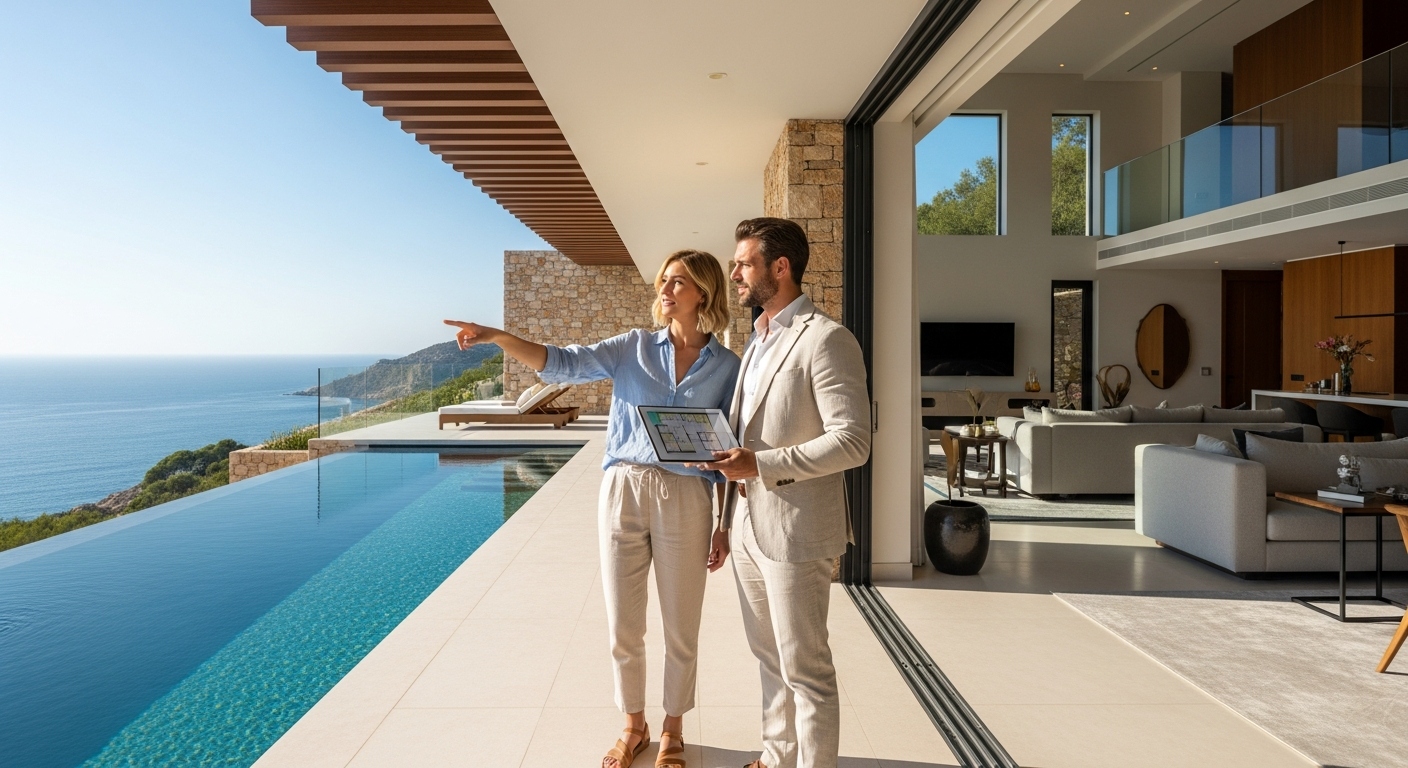
Modern architects frequently design buildings that visually dissolve into their landscapes. Rather than simply existing within nature, modern architecture often attempts to become part of it.
This philosophy can create breathtaking experiences where interior living feels seamlessly connected to forests, mountains, coastlines, or urban skylines.
Technology and Innovation
Traditional architecture was born in an era when buildings depended entirely on craftsmanship and passive design.
- Thick walls provided insulation.
- Window placement controlled airflow.
- Fireplaces created heat.
- Roof overhangs offered shade.
These solutions were elegant because they were necessary.
Modern architecture thrives on technological advancement.
- Smart glass can reduce solar gain.
- Automated shading systems track sunlight.
- Integrated climate systems maintain comfort.
- Solar panels power entire homes.
- Rainwater harvesting systems support sustainability.
- Voice-controlled lighting and climate automation are increasingly common.
Modern design often assumes technology will be part of the architectural experience rather than an afterthought. This makes modern homes particularly attractive to buyers who prioritize convenience, energy efficiency, and future-ready living.
Emotional Appeal and Lifestyle
One of the most personal differences between traditional and modern architecture is emotional response.
Traditional architecture often feels warm, nostalgic, and grounded.
It reminds people of family homes, historic neighborhoods, and cultural roots. Its textures, proportions, and decorative details can create a strong sense of belonging.
For many homeowners, traditional design feels safe and enduring.
Modern architecture creates a different emotional experience. It can feel liberating. Expansive. Inspiring.
Minimal clutter, abundant light, and flowing spaces often create a sense of calm and focus.
For some, modern architecture represents freedom from convention. For others, it symbolizes progress and creative expression. Neither approach is inherently better. They simply speak to different lifestyles.
Maintenance and Longevity
Traditional homes often require ongoing maintenance, especially when original materials are preserved.
- Wood trim may need repainting.
- Historic masonry may require restoration.
- Decorative elements may demand specialized craftsmanship.
However, when properly maintained, traditional buildings can last for generations.
Modern homes can be easier to maintain in some ways, thanks to engineered materials and simplified surfaces. Yet large glass panels, flat roofs, and specialized systems can introduce unique maintenance challenges.
Both styles can endure for decades or centuries when designed and cared for properly. Longevity depends less on style and more on execution.
Real Estate Appeal and Market Value
In real estate, both traditional and modern architecture hold strong appeal.
Traditional homes often perform well in established neighborhoods where character and heritage matter. Buyers may pay premiums for craftsmanship, historical authenticity, and timeless curb appeal.
Modern homes can command high prices in urban centers, luxury developments, and design-forward communities where innovation and open living are highly valued.
Interestingly, many of today’s most successful homes blend both worlds.
A traditional exterior may conceal a fully modern interior. A sleek modern structure may incorporate warm natural materials inspired by historic craftsmanship. This fusion reflects a broader truth about architecture. Design is not about choosing the past or the future. It is about choosing what fits how people want to live.
The Future of Architectural Design
As sustainability, technology, and lifestyle continue evolving, the line between traditional and modern architecture grows increasingly blurred.
Architects now borrow from both philosophies.
- They combine historical proportions with contemporary materials.
- They merge handcrafted details with smart-home systems.
- They pair timeless curb appeal with energy-efficient engineering.
This hybrid approach is shaping the future of residential and commercial design. People no longer have to choose between warmth and innovation. They can have both.
So, What’s the Difference?
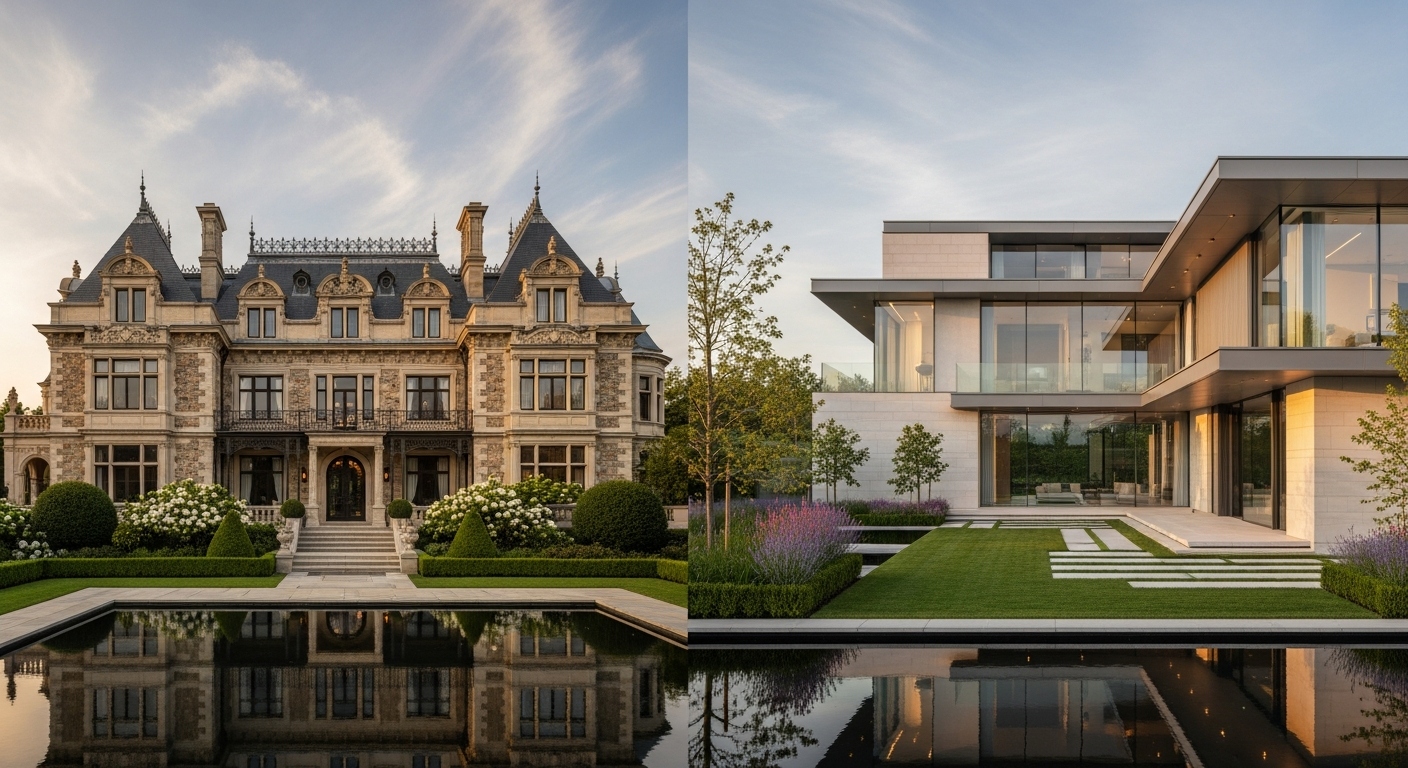
Traditional architecture honors history, craftsmanship, ornamentation, and cultural identity. It values permanence, familiarity, and timeless beauty. Modern architecture embraces innovation, simplicity, efficiency, and forward-thinking design. It values openness, clarity, technology, and adaptability. One reflects where we’ve been. The other explores where we’re going. And perhaps the most exciting part of architecture today is realizing that the best spaces often find inspiration in both.